Cooperative Care
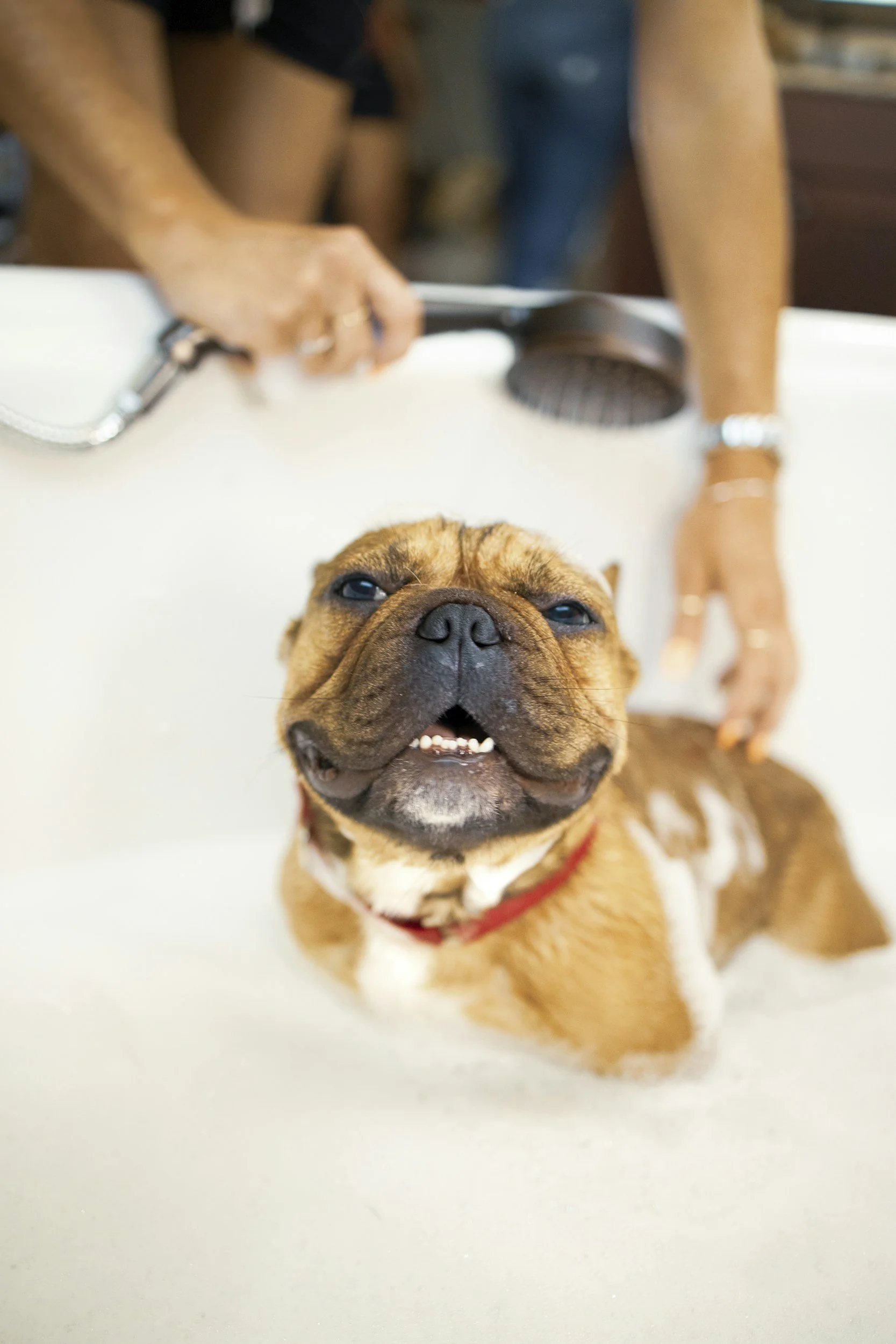
What is Cooperative Care?
Teaching our dogs signals to start and stop grooming and care they find scary
Teaching our dogs they can trust us to listen to them as we care for their bodies
Finding less scary ways to work through necessary treatments that are not always optional
Primarily it’s about SLOWING down and preparing our dogs for the things we may need to do to care for them
Common concerns people have about cooperative care
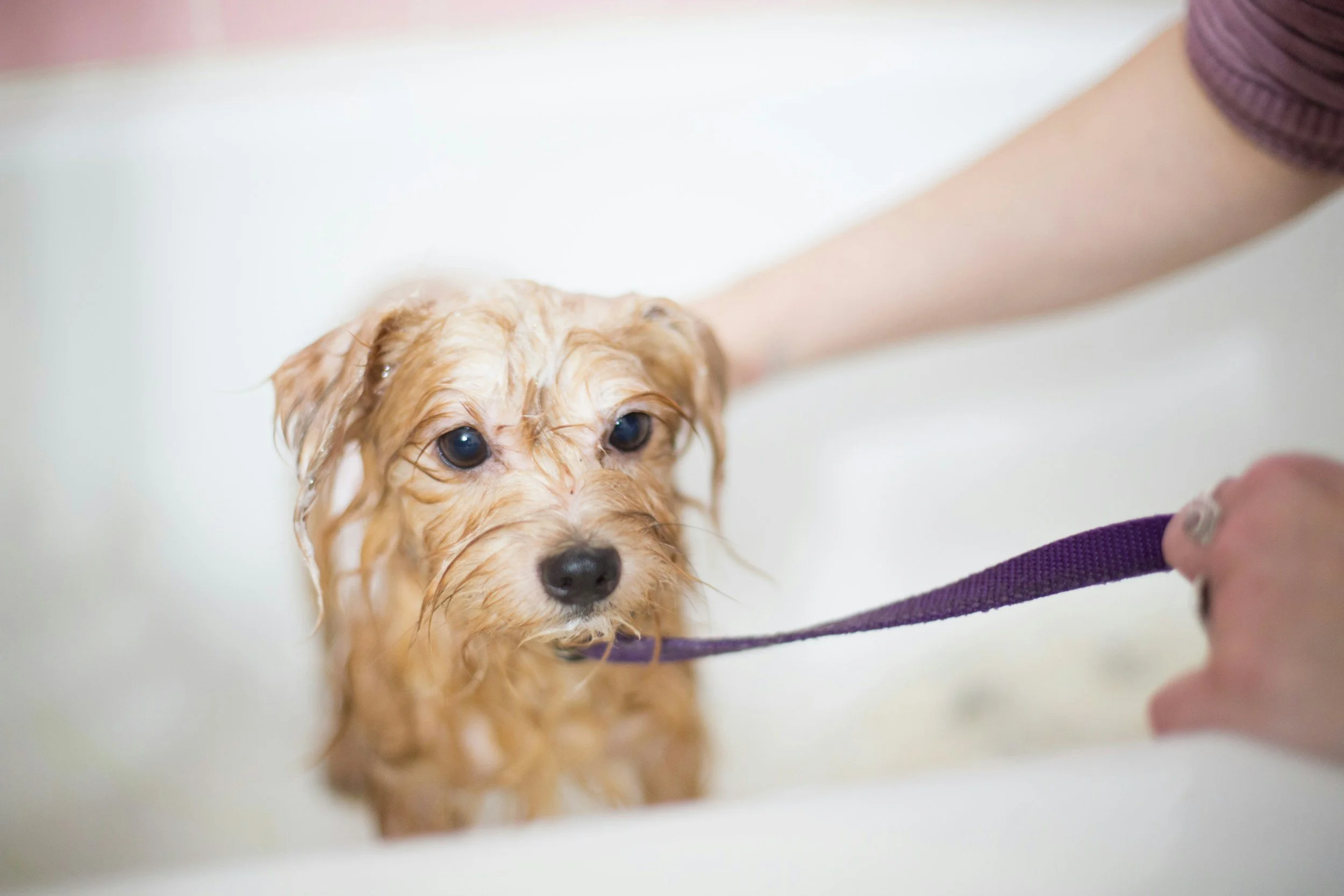
If we give them choice why would they ever opt in?
What do we do if they don’t opt in but they have to be treated?
What do we do in the meantime if we have to push past their boundaries, will that ruin our training?
Techniques we will be working on together:
Start button behaviors
Reward Station targets
Desensitizing & Counter Conditioning
Gentle animal husbandry
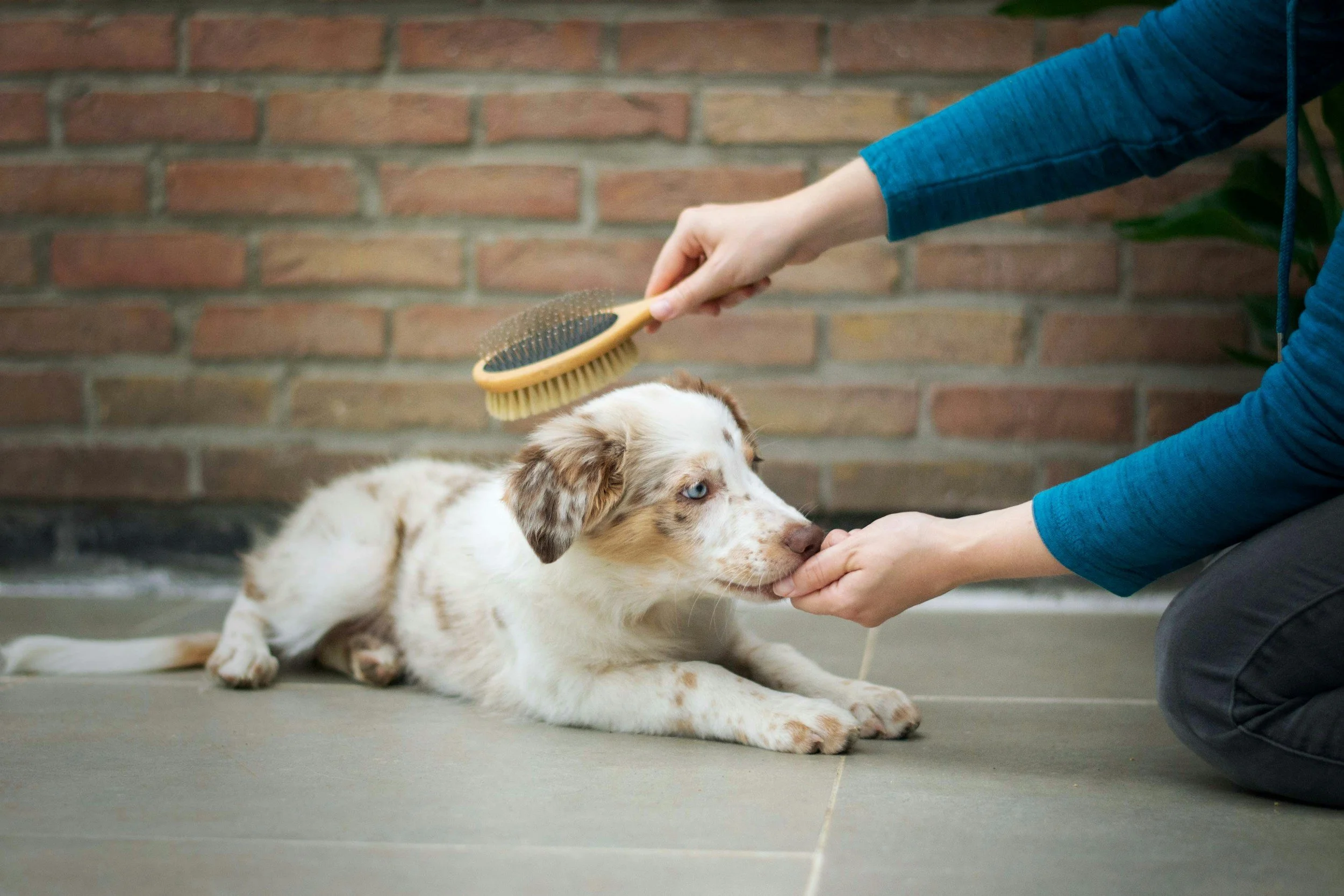
Start Buttons: We shape or teach a specific behavior that becomes a cue that tells us they are ready to proceed. So our dog essentially starts the care by performing a specific movement: For example, they rest their chin in your hand, so you can brush their teeth or they hand you a paw so you can trim their toenails.
Reward station targets: We teach our dogs if they look at the bowl of treats we will continue with their care, if they look away we will stop. For example, we set down a bowl of treats, if they look at the bowl we brush them, then periodically hand them a treat, if they look away from the treats we stop brushing.
Desensitizing and Counter Conditioning: We break down the care into small steps and systematically work through those steps using positive associations to make those elements less scary. For example, our dog is worried about getting their ears cleaned. So we first just show the bottle and reward, then once they are comfortable with that we show the bottle and then our hand moves towards their ear, we reward those steps. We break down the steps of moving the bottle more and more gradually towards their head, we break down the steps of touching their ears, we break down the steps by doing things like just using a dry pad to massage the ear. We take the care and break each part into as many steps as possible and we spend time rewarding each one of those steps multiple times until our dog is more comfortable with them.
Gentle animal husbandry: First and foremost we slow down and move gently. And how to prepare our dogs for the ways their bodies will be handled. We don’t grab a foot so we can trim the nails or wipe the foot, we start by petting their shoulders and then running our hand slowly down their leg to their foot before lifting it. When things have to be done that our dogs are uncomfortable with, perhaps they are not good at the vet but they have to be cared for. We can ask our vet about what sedation and anxiety medications we can have on hand to give them prior to their visits. When our vets are trying to do something and we see our dog is struggling we can ask if it is absolutely necessary at this time. Often we can change the whole experience by instead, taking our dog home and bringing them back the next day after we give them anxiety and sedation meds at home first. Most vets will approach the visits feeling like you expect them to get everything done right then and there since you have taken the time out of your day to get there, and are very happy when you are willing to come back in a way that makes it easier for everyone.
Why dogs opt in even when they have choice?
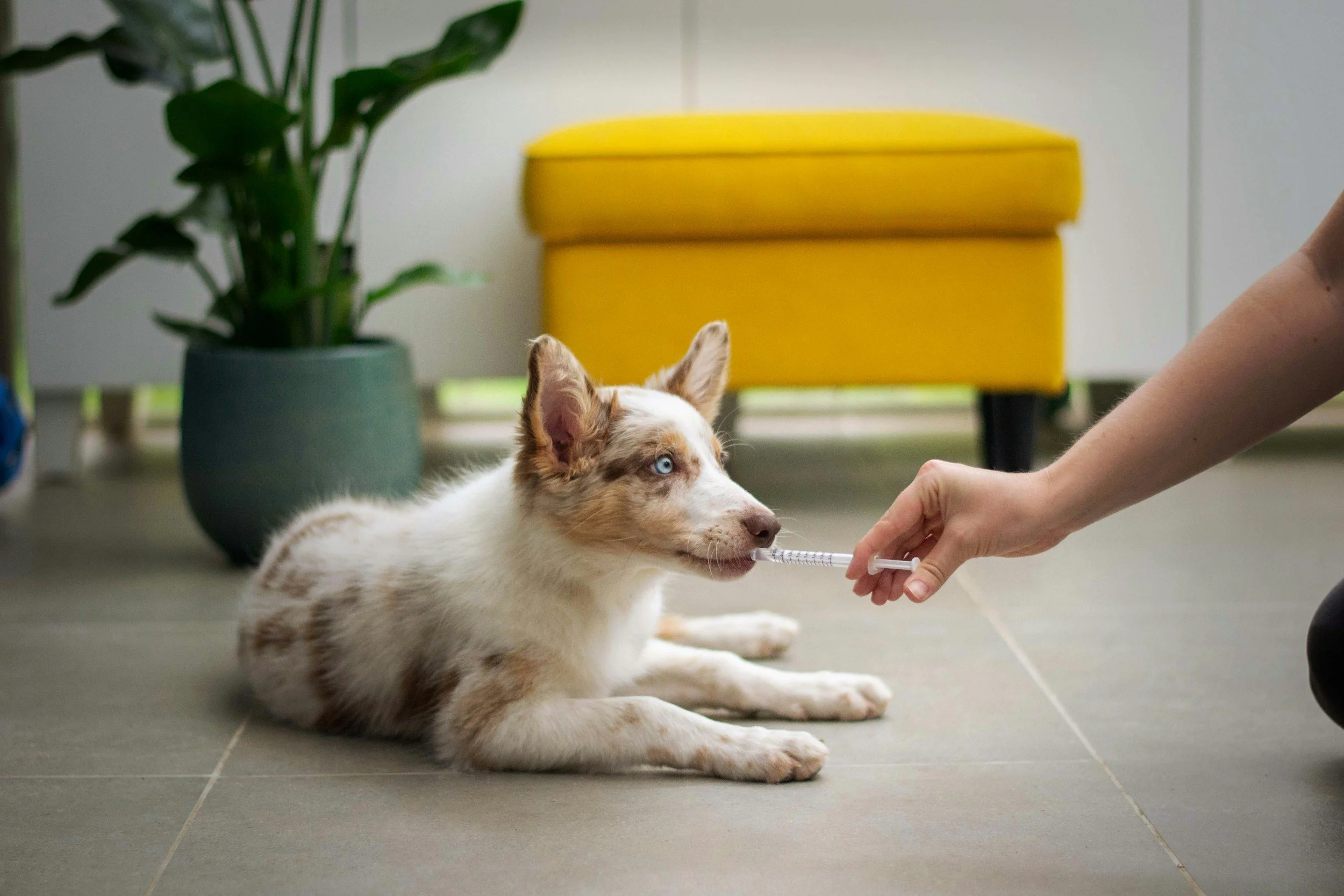
If we make being cared for a high reward, low stress, loving and engaging experience our dogs opt into THAT, not the care, but the exchange with us. With cooperative care when we make things that seem scary into something broken into easy peasy bite sized steps they become less scary. When a dog learns they can stop the procedures they feel more confident within them. Toenail trims only hurt if we do it wrong, so if we are careful and move slowly we can make it a non-event that means yay I get lots of cookies for this.
What do we do if they don’t opt in?
Can it wait? If so you let them opt out. You can try again tomorrow, you can break the steps down more and work on building more interest in the game and then reapproach later. If it is care that must be done and we know they are not ready for it, then we make it as easy and low stress as we can and give as much reinforcement after as we can. We don’t TRICK them! If your dog is afraid of having their harness put on so you keep tricking them to come to you so you can put it on, they will learn all of those tricks and no longer trust them. So what do you do? Walk them with a collar as you work on building trust in the harness.If it is essential vet care as I mentioned above, develop a treatment plan with your vet, sedation, anxiety meds and finding a fear free vet that will take the time needed to help them be comfortable.
What do we do if we have had to push past their boundaries?
Your working on getting your dog comfortable with ear handling and they get an infection, what now? Keep the training sessions and treatments separate. A few times a day pick up the bottle and toss them treats, work on the training when you don’t have to give the meds, and when you do, just get it done as gently as you can knowing you will lose a little ground but that’s how it goes. We can get back to where we were again.
If you are attending the classes this week, have ready any items your dog struggles with:
nail clippers
brushes
harnesses
ear meds
Have ready:
treat station: a small bowl of treats, it works great if you have a small stool or table that puts the treats at your dog’s chest level
a mat or training care station (small rug, mat, etc)
Treats- we will be using a lot, so you can use kibble or low calorie treats