Is your learner ready to learn?
Let’s talk about setting our dogs and ourselves up for success.
Is your dog in the right space to absorb information? Or are they stressed and worried about their surroundings?
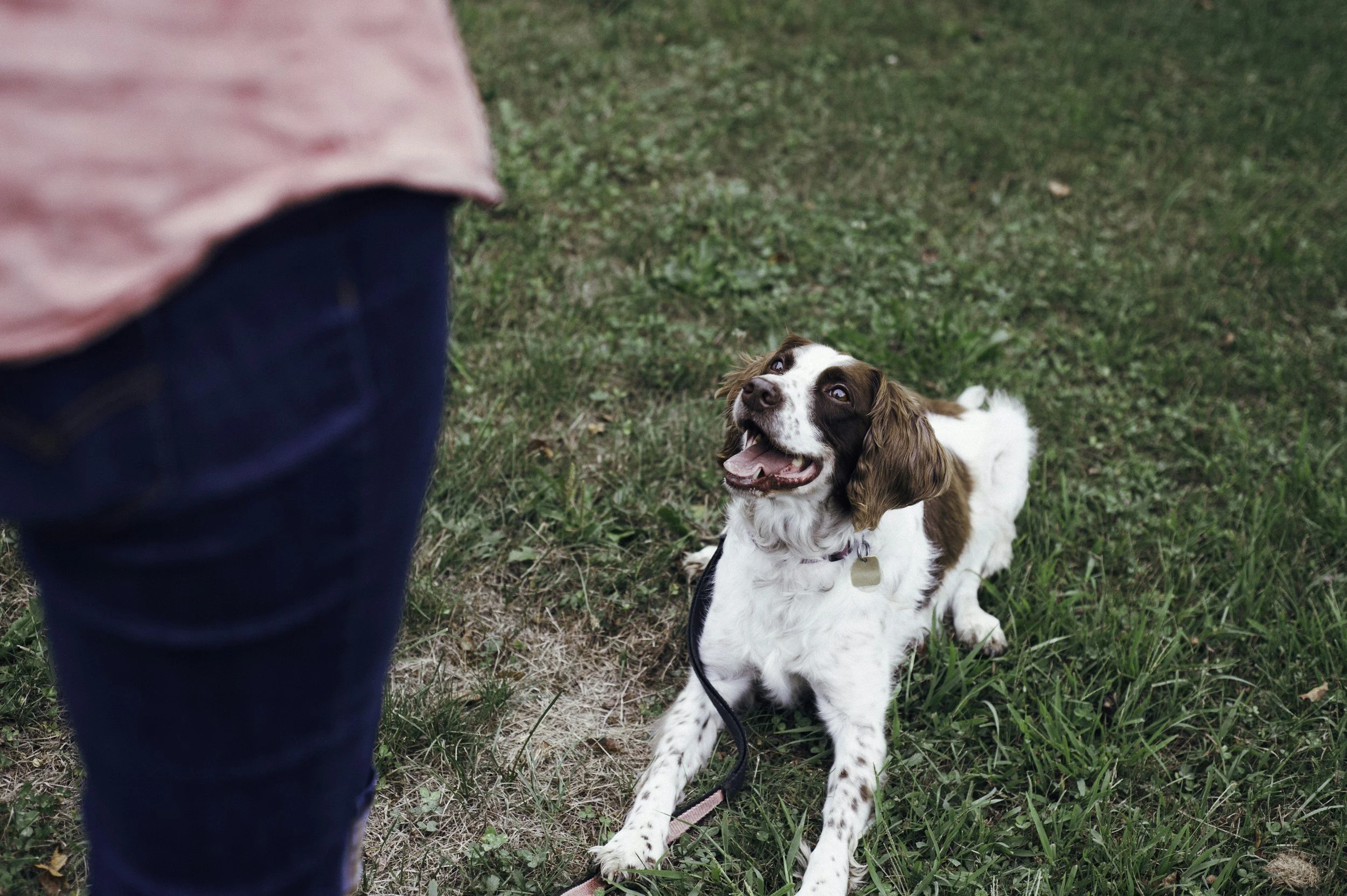
Are they looking at you excited and interested? Or are they staring at something in the distance wondering what it is?
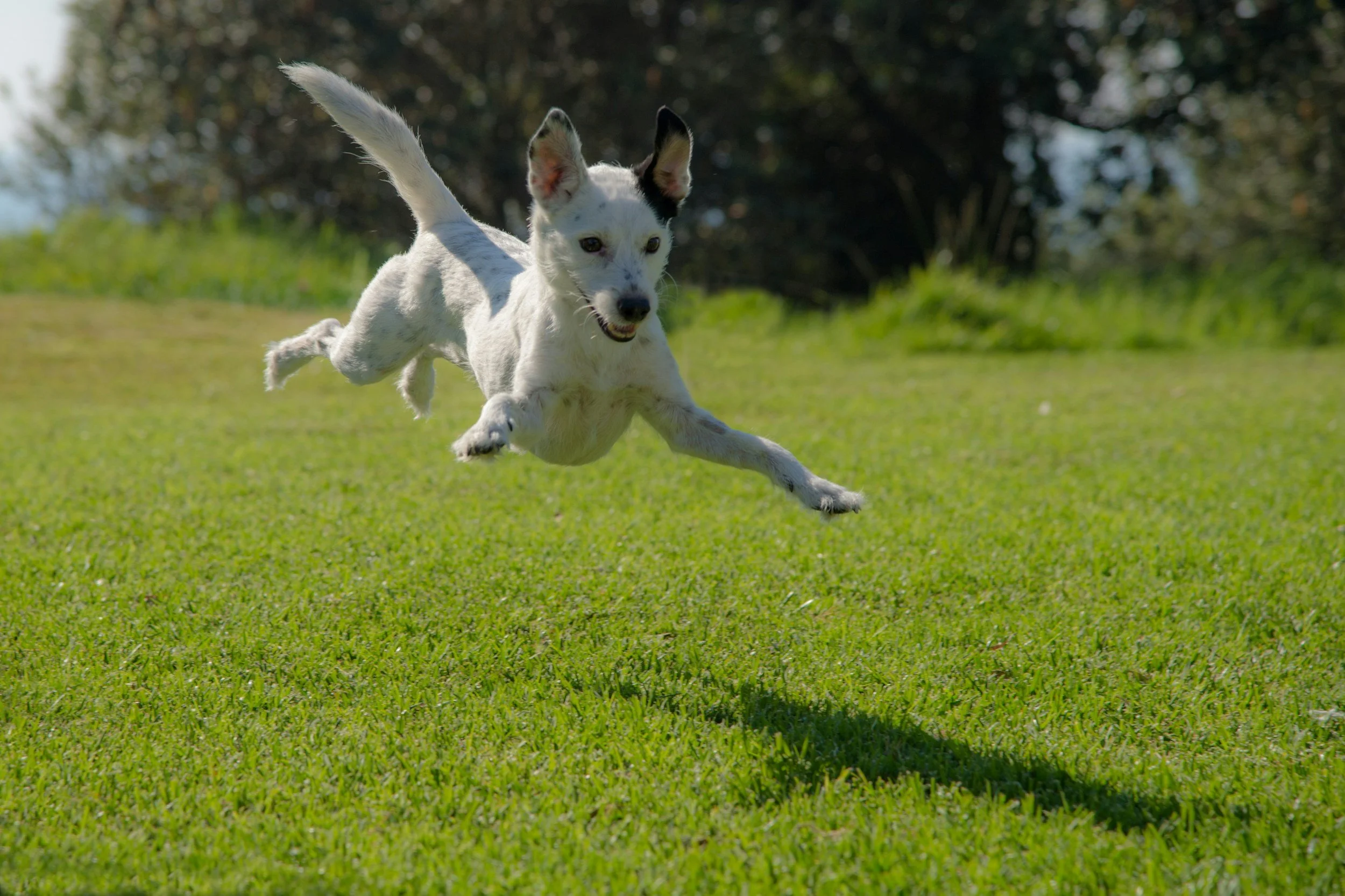
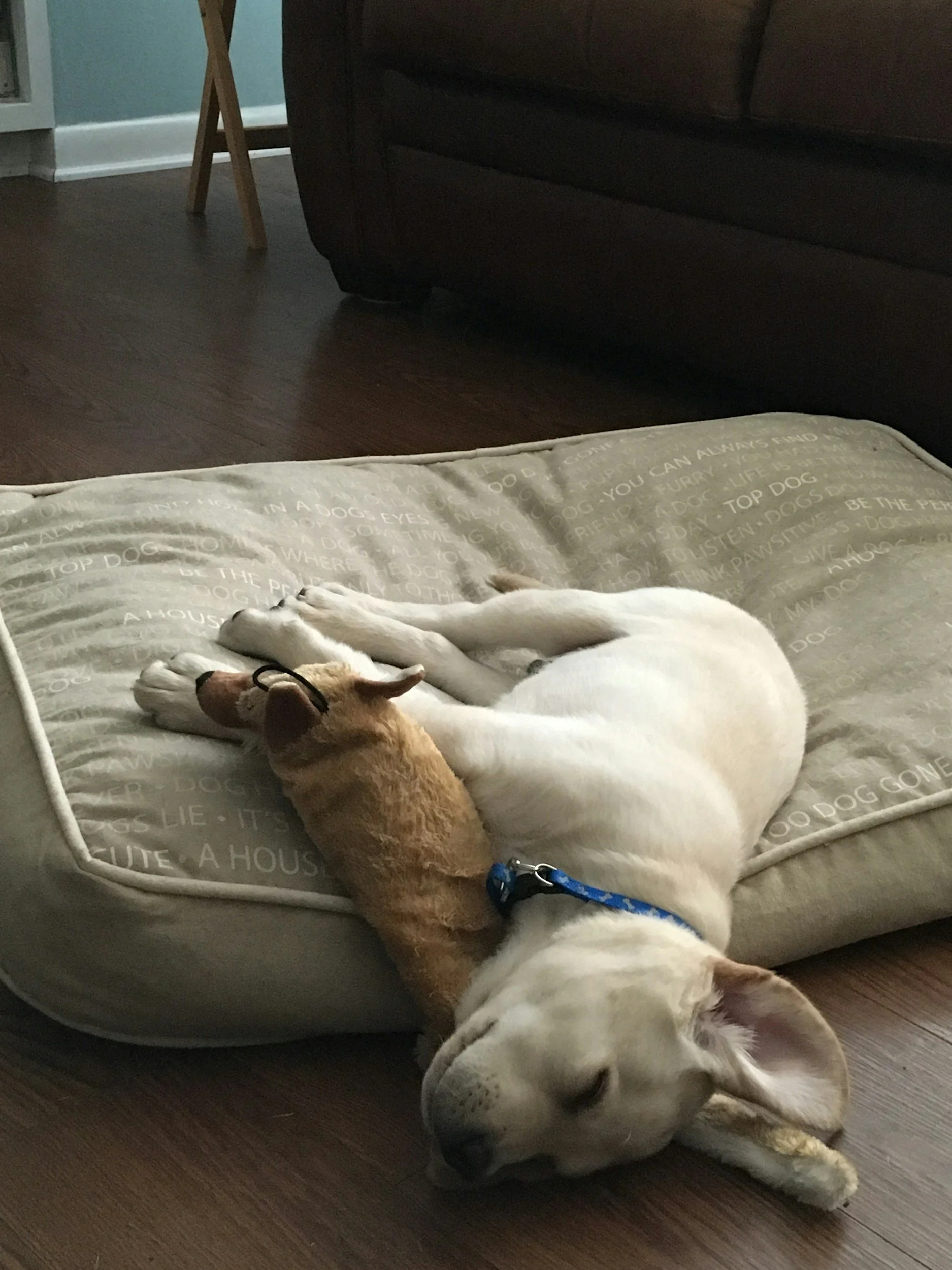
Are they focused and ready? Or are they over excited and so aroused they can’t sit still and wait for your cue before throwing ten behaviors at you or are they buried under the blankets sawing some zzzzs?
There is an ideal level of energy for our dog’s to learn best, so before we teach anything specifically we need to work to help our dogs settle into that comfy space so the training we do will be most likely to fit our goals.
Too little energy or too little interest often leads to us feeling like we are dragging a dog through a lesson, which generally can include having to go right to super high value treats and feeling like our dog is not listening is very frustrating which can lead to us being more pushy and putting more pressure on them to get interested, which is off putting and can make them less interested or can lead to us giving up on cues we’ve asked for which can lead to inconsistency in their understanding of these cues.
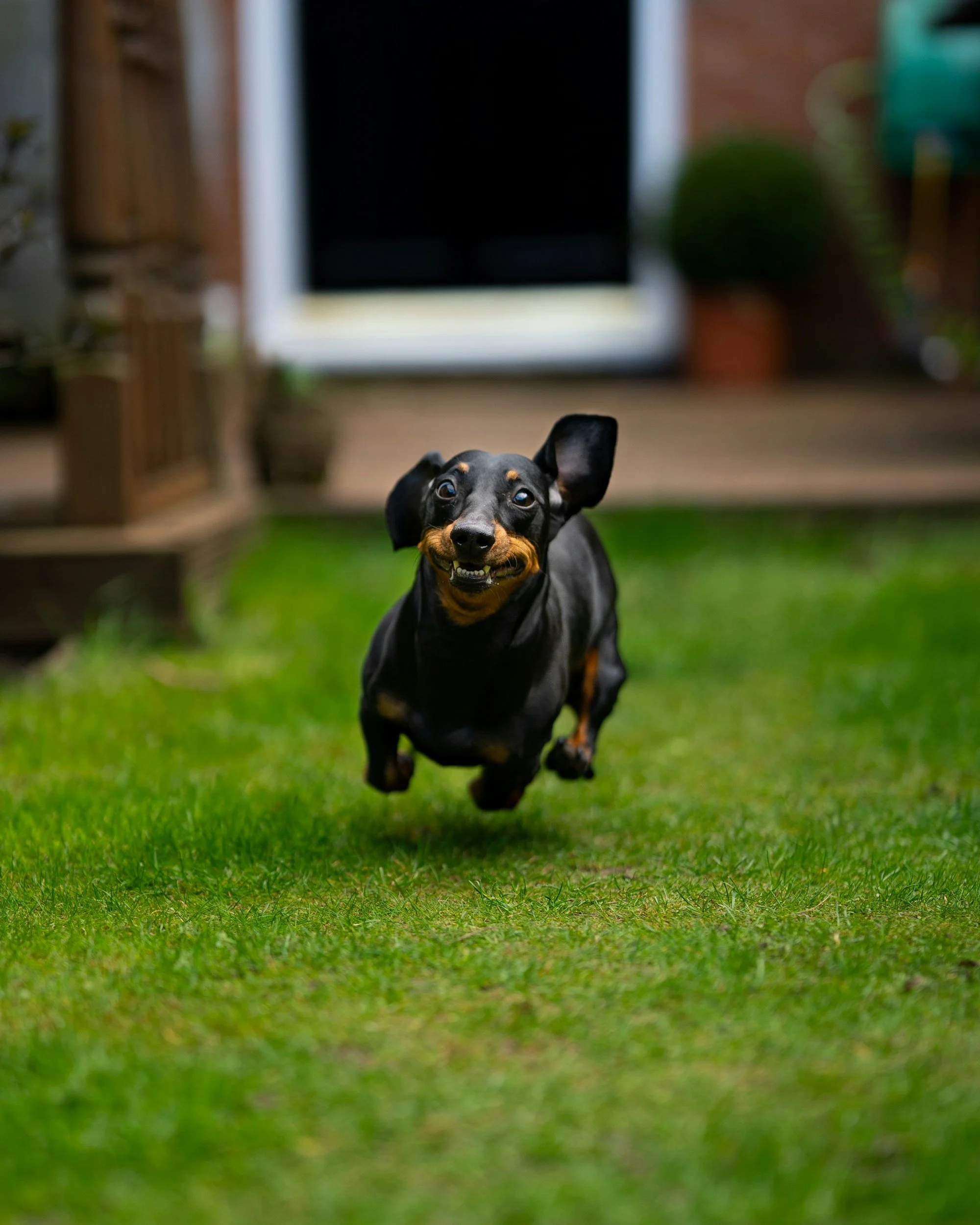
Too much energy can lead to a lack of stimulus control and our dogs just throwing the kitchen sink at us hoping one of those things will get them their reward.
Dogs can respond to stress or pressure in different ways. Some dogs will stress down, when they are confused, stressed, distracted or unsure they respond by trying to avoid the pressure by drifting off, sniffing, avoiding eye contact and trying to avoid the whole situation. While other dogs will stress up, when they are confused, stressed, distracted or unsure they throw more behaviors and can be frantic.
So this means often when your dog is walking away from your training, or sitting there staring at you rather than trying the exercise it might seem like they are being stubborn, when it can very well mean they simply do not understand what you want, or their level of interest is being impacted by other factors (maybe they heard a noise, something moved and unsettled them or they are distracted by that dog moving over there). Or perhaps you have the other dog that responds to pressure by endlessly throwing every behavior they know not even giving you time to ask for a behavior. Everything happening so fast you can hardly even think and don’t know what to reinforce.
So let’s review setting our dogs up for success:
Before you start training plan clearly what your objectives of that session are. What behaviors are you working, what frame of mind does your dog need to be in for that exercise to be most successful (for example stays and heeling need calm focus, recalls need energetic focus)
Have everything you need ready before you begin! Don’t miss those first opportunities because your busy digging for treats out of your pocket and your dog already offers different behaviors before you get the treat to them
The FIRST thing should be something that connects you and engages your dog. If your dog is facing away from you and looking at something else, before you give that cue, what can you do that turns their eyes to you? Can you move a little? Can you play a favorite pattern game?
For many busy dogs your first exercise might be reinforcing for stillness.
Can you start & end with a station, and your station can be a behavior like perhaps a hand touch or position.
Once you start a learning session YOU need to stay focused the entire time until you release your dog from that session. What do I mean by a learning session? This is when we are introducing concepts or initially capturing skills with the dog. So when your dog doe not yet understand the cue fluently. Later in our training we want our distraction or lack of obvious focus to become one of the training steps we add in, but while the dog is still learning the initial concepts they need our complete focus.
What does your dog look like when they are ready to learn?
Look for things like:
Direct eye contact, with alert expression
Ears up in their interested position
Muscles naturally ready- so some slight tension so movement is easy, but not so much tension they are a coiled spring.
Free of stress signals - lip licking can be confusing some ready dogs will lick in anticipation of reward, but if you look at their eyes you should easily tell the difference. If you see whale eyes (where you see the whites of their eyes) or they are avoiding eye contact and they lick that would indicate it’s probably stress, if their eyes are soft and they are looking at you, and they don’t show stress wrinkles of skin around their lips and on their forehead than it’s likely anticipation licking. Rememeber even too much positive stress can interfere with your training objectives.
What to do when they are not ready?
If your dog is low energy:
Play
Treat tosses
Scratches and physical contact if they like that
Move- maybe a little jogging around with them, having them chase you for a toy
If your dog is high energy:
Calming pattern games like: up/down, 1, 2, 3,
Reinforcing stillness (rhythmic treats delivered with a calm deliberate pattern)
Calming touch if they like touch