
Dog Safe Holidays
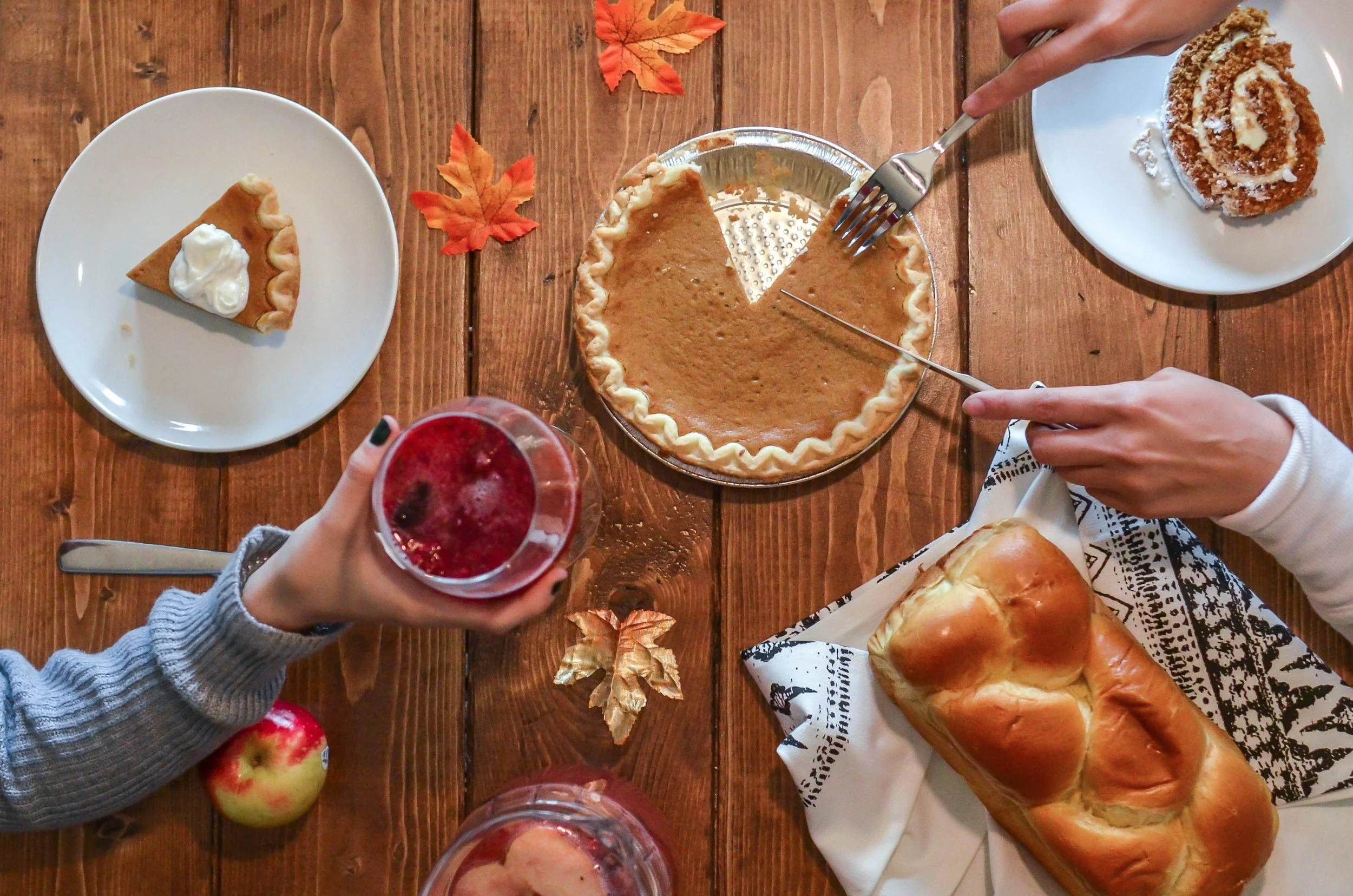
Thanksgiving is a very busy time of year for Veterinary Emergencies!
Common Thanksgiving Emergencies:
#1 Pancreatitis
Dog owners are often unaware that feeding dogs foods from Holiday meals higher in fat than a dog is used to can easily cause pancreatitis. Guests that don’t own dogs might not realize how feeding dogs things like turkey skin and other rich fatty leftovers can cause issues, be sure they know not to offer your dog any food without asking you first. Dogs that have never gotten into trash often do so their first time after the bin is filled with scraps from holiday meals. As dogs age the risks go up, so while your dog might have been fine for years getting scraps be aware that can change as they get older. Pancreatitis can present from mild to life threatening, be sure to pursue Veterinary care immediately if your dog has gotten into holiday trash and shows any of the following symptoms.
Signs of Pancreatitis:
Hunched back (sign of a painfaul abdomen)
Repeated vomiting
Pain, discomfort (abdomen may appear bloated, they may pace or whine) frequent bows (like a play bow, dogs stretch like this often with abdominal discomfort)
Diarrhea
Loss of appetite
Dehydration
Lethargy
Fever
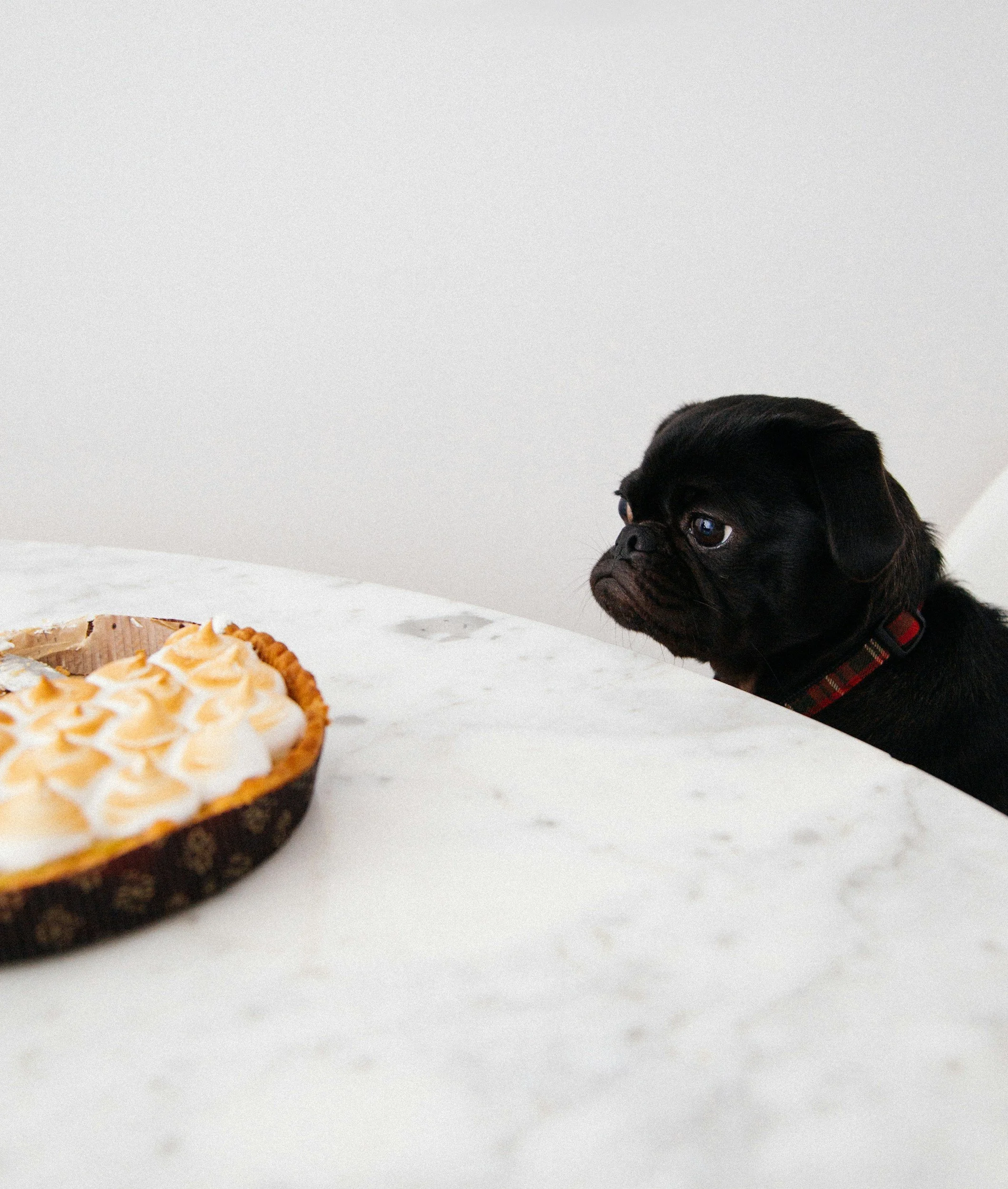
#2 Bowel obstructions
Cooked bones, eating wads of paper, strings, plastic items with food on them. I cannot tell you how many dogs I gave enemas to after the holidays as a vet tech when people let their dogs eat cooked turkey bones and they dogs ended up not being able to pass them, and those are the lucky dogs without bowel perfortations from brittle splintered bones, or obstructions that require surgery. Cooking bones makes them unsafe for eating, they can also be unsafe raw, but it’s an absolutely not when cooked. Again like the pancreatitis you may get lucky and a dog can eat these things without serious consequences, but know it is VERY COMMON for these things to cause Veterinary emergencies. If your dog shows any of the signs of pancreatitis as well as straining to poop again seek Veterinary care!
Mind your holiday meal trash! Even for dogs who have never had issues in the past, just be safe! Put the trash out in a place your dog can’t access it.
#3 Consuming toxic or poisonous foods/substances
Many foods found on holiday tables can be toxic to our furry family members. Be sure you and your guests are aware of them! Again, the number of times we had cases of dogs that had never counter surfed coming in after consuming dangerous foods, the chaos of holiday meals is often a time dogs do things they never have! And clever dogs who do counter surf already can be masterful at stealthly snagging things! I for one will be watching Julia and guests like a Hawk as she is a high risk snack sneak attack puppy.
Common dangerous foods present during holiday meals:
Chocolate, most of us dog owners are aware of this one, but so many dogs snag chocolate around the holidays!
Onions! Are you aware onions are very toxic to dogs? And they are in SO MANY holiday dishes! Garlic as well is not good for dogs.
Grapes, raisins, currants are all not good for dogs.
Xylitol - an artificial sweetner that can be found in baked foods, peanut butter, gum, etc.
If your dog has consumed something you are not sure if it is safe or not, the ASPCA in the US has an animal poision control number you can call if you are unable to reach your vet or veterinary emergency clinic: available 365 days a year, 24hrs per day: (888) 426-4435 They do sometimes charge a consultation fee.
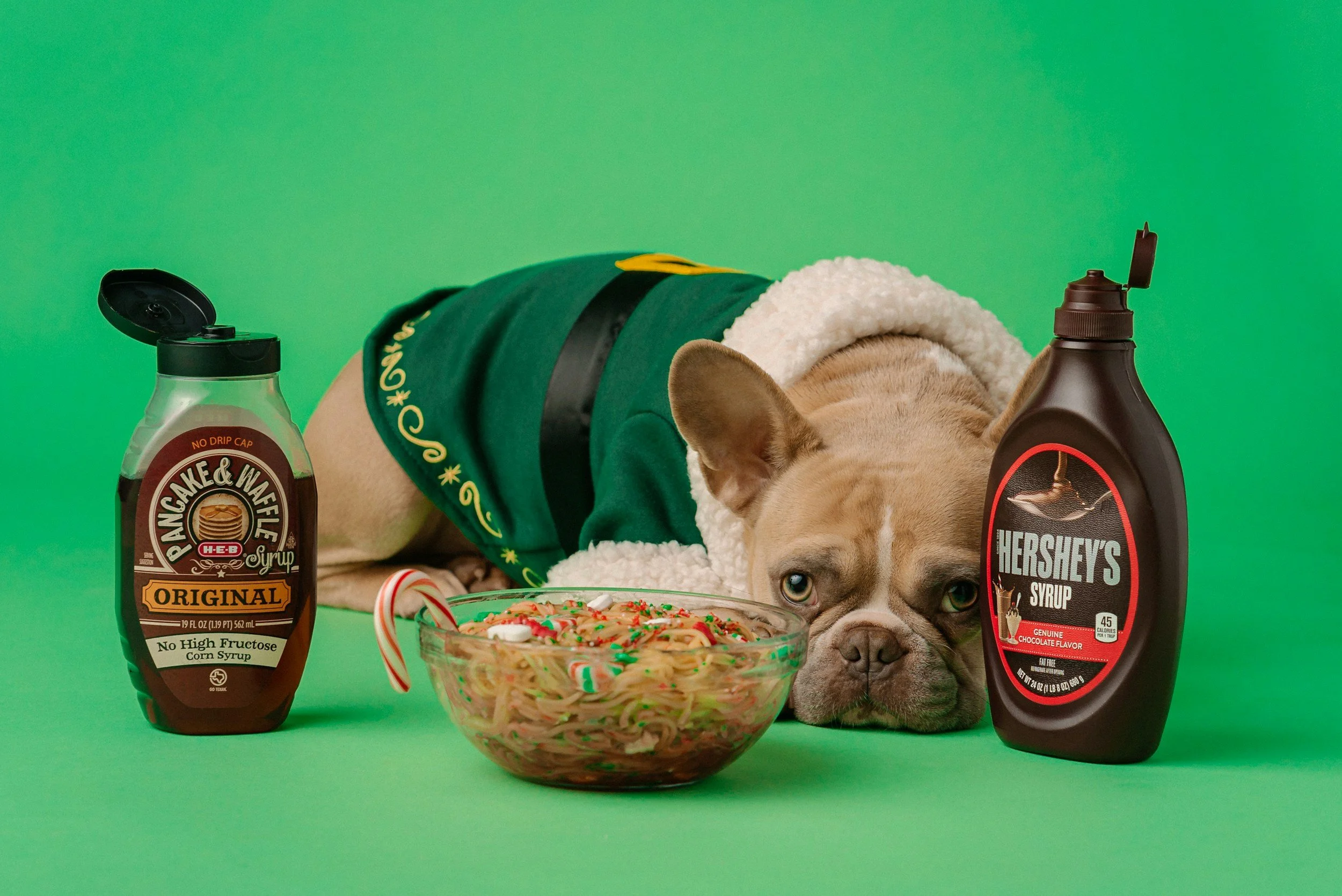
Safe foods to give dogs (in small portions, if they do not have allergies or sensitive stomachs):
Plain Pumpkin
White turkey meat (no skin, no bones)
green beans
Plain Sweet potatoes
Apples
Broccoli
Cranberries (the real thing, not sweetened sauces)
#4 Dog Fights/Aggression
Mixing lots of food, lots of people and dogs from multiple households is a common time for dog fights to happen! Dogs that have never shown resourse guarding can fight over these special delicious smelling foods, they can find these things more exciting than usual and that can lead to RG fights. They can also fight over toys as suddenly they have other dogs to compete with and again guests may not be aware dogs can argue over resources. I have done so many consultations following holidays where visiting family/friend dogs have gotten into fights for the first time, the stress of all that activity is a common trigger to push dogs to arguing. And so many folks are unaware of what the dog body languages signals are that a dog is getting guardy and don’t stop the things pushing the dog. Dogs can also just get cranky and tired from all of the chaos and act aggressively. They can snap at other pets, kids, people that push their boundaries.
When mixing dogs be on the look out for:
Intense Staring - a completely still dog staring at something or someone is often a huge red flag. Ex: dog is laying on it’s bed with a toy, another dog is approaching, the dog on the bed stares at the other dog, it’s body rigid and tense, while this can be the precursor to play, it can also be a stearn warning to stay away. The details are in the hardness of the eyes and body tension, a dog waiting to playfully pounce will have soft eyes, and a looser body, a dog warning will usually have harder eyes, facial tension and body tension. When in doubt interrupt!
Head lowering over food/toys- a resource guarding dog will usually stand over the item or lay over the item with their head over the item as they stare at the other dog (person, kid, etc)
Whale eyes- when a dog is stressed they open their wide and you can see the whites if their eyes.
Facial tension- tight muscles, causing furrows on their brow, cheeks
Lip Licking, Yawning- attempts to offload stress.
Avoiding eye contact/ turning their head away. These three things: whale eyes, facial tension and turning head away is the classic example of what dogs do when little kids are hugging dogs and the dogs are stressed and trying to avoid aggression, always intervene when you see this! I also see it when little dogs are hassling big dogs and the big dogs are peacefully asking for help and people often just laugh.
Stiff tails, tucked tails, high elevated fast moving or still tails. Not all wags are happy, be sure you know that! A happy tail is relaxed or swooshing from side to side.
Dogs standing over another dog completely still is an antaganostic move.
Growling- snarling: don’t punish dogs for vocalizing their negative emotions!
WHEN IN DOUBT intervene, redirect, separate. I never take my dogs to a holiday gathering or have other dogs to our gatherings without a plan! My plan:
Baby gates available to give dogs space if needed.
Instruct everyone to NOT give dogs any food or throw toys, don’t create competition between dogs! I tell people if they want to give their dogs chews, toys, etc to let me know so I can put my dogs away.
Frozen kongs and crates ready to give dogs time outs. I ONLY give chews in crates separated (or in rooms separated with a baby gate)
Decompression walks before and after. If dogs are coming over we meet ahead of time and take a walk together before coming inside so they have already greeted and exercised.
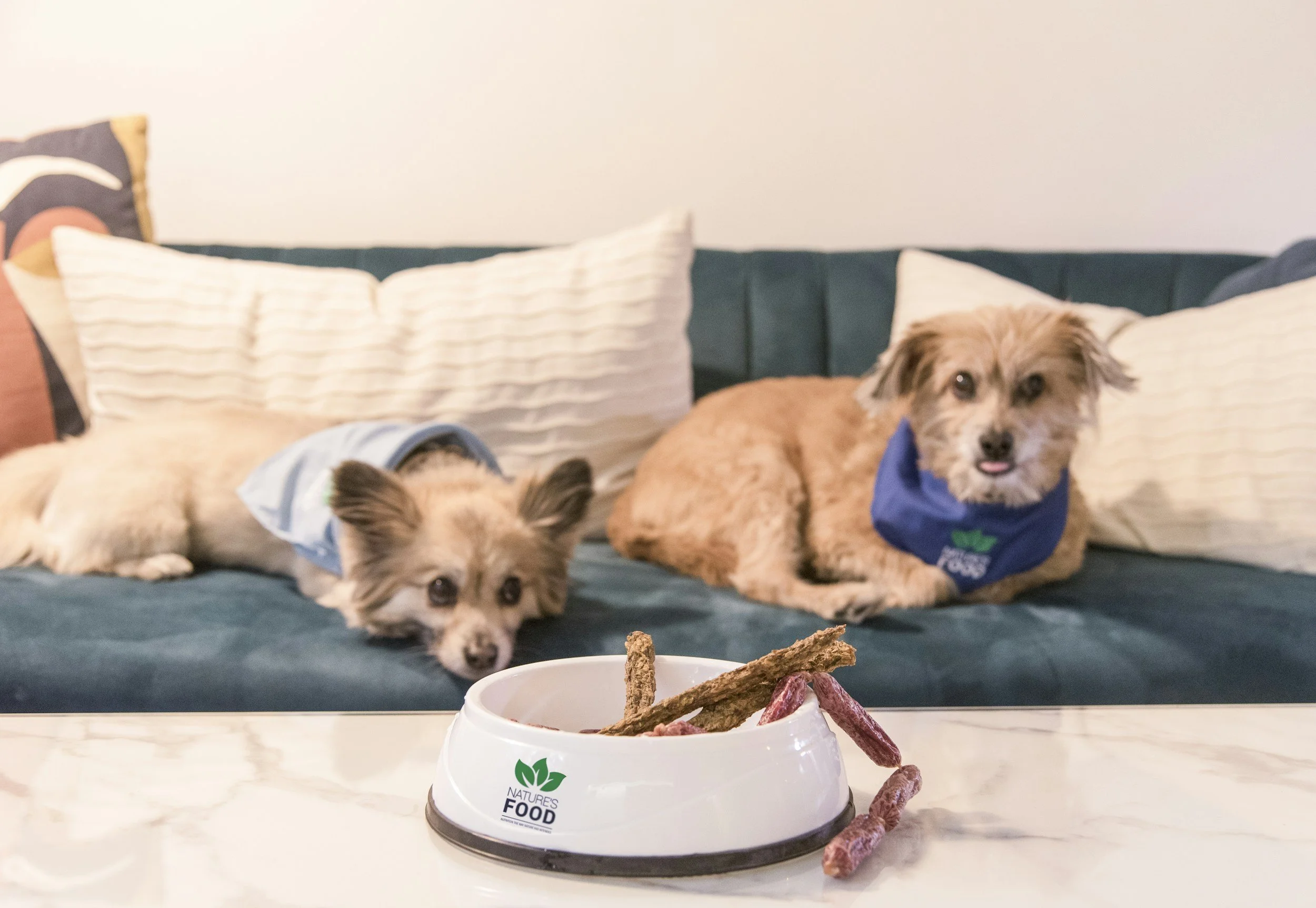
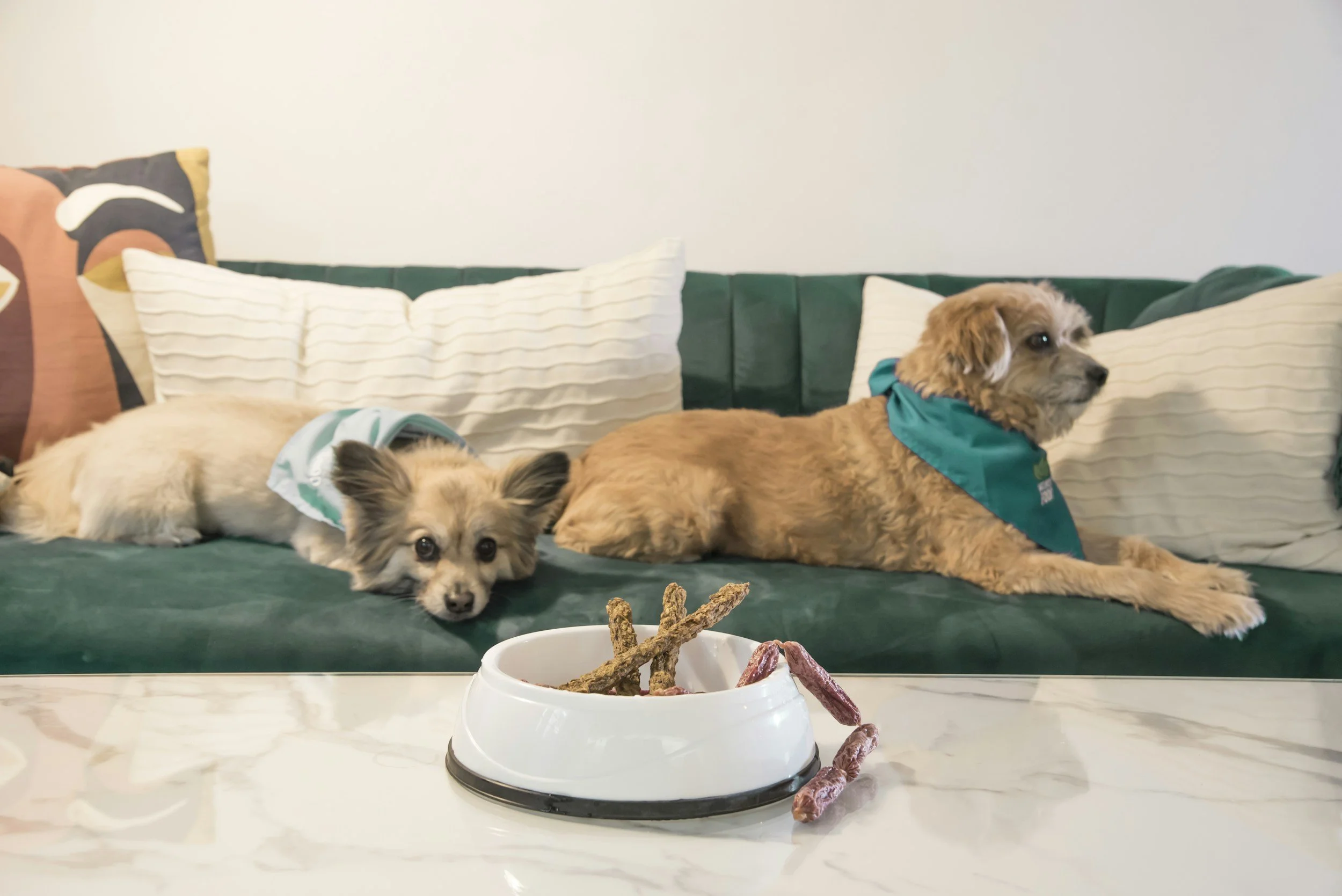
The above photos are just stock photos, but can you see the tension between these dogs? Can you see the whale eyes, the lip licking, the head turn avoiding eye contact, the facial and muscle tension? These dogs are talking to each other about the bowl of sausages. (obviously we don’t know, they could be stressed by the photographer, etc, but these dogs are not comfortable and I would not leave them in this situation)
***Advocate for your dog’s needs!!! Do not let family or friends push you out of taking care of what you know will keep the peace! If you can’t do that, keep your dog separate. You cannot UNDO the damage of dogs fighting or getting freaked out by other dog’s problem behavior. (or other people’s)
#5 HBC (Hit by car) & Lost Dogs
Doors being left open, dogs sneaking out as guests go in and out, gates left open. The holidays is a very common time for tragic accidents to take place. Taking the extra step to leash your dog when people enter/exit, or using a baby gate to keep them from the entry room, or using an xpen around the door area, or assigning one person to be incharge of minding the dog as people enter and exit can go a long way to preventing these tragic accidents. Remember people who don’t live with dogs are not in the habit of making sure no one is sneaking out as they leave doors open.
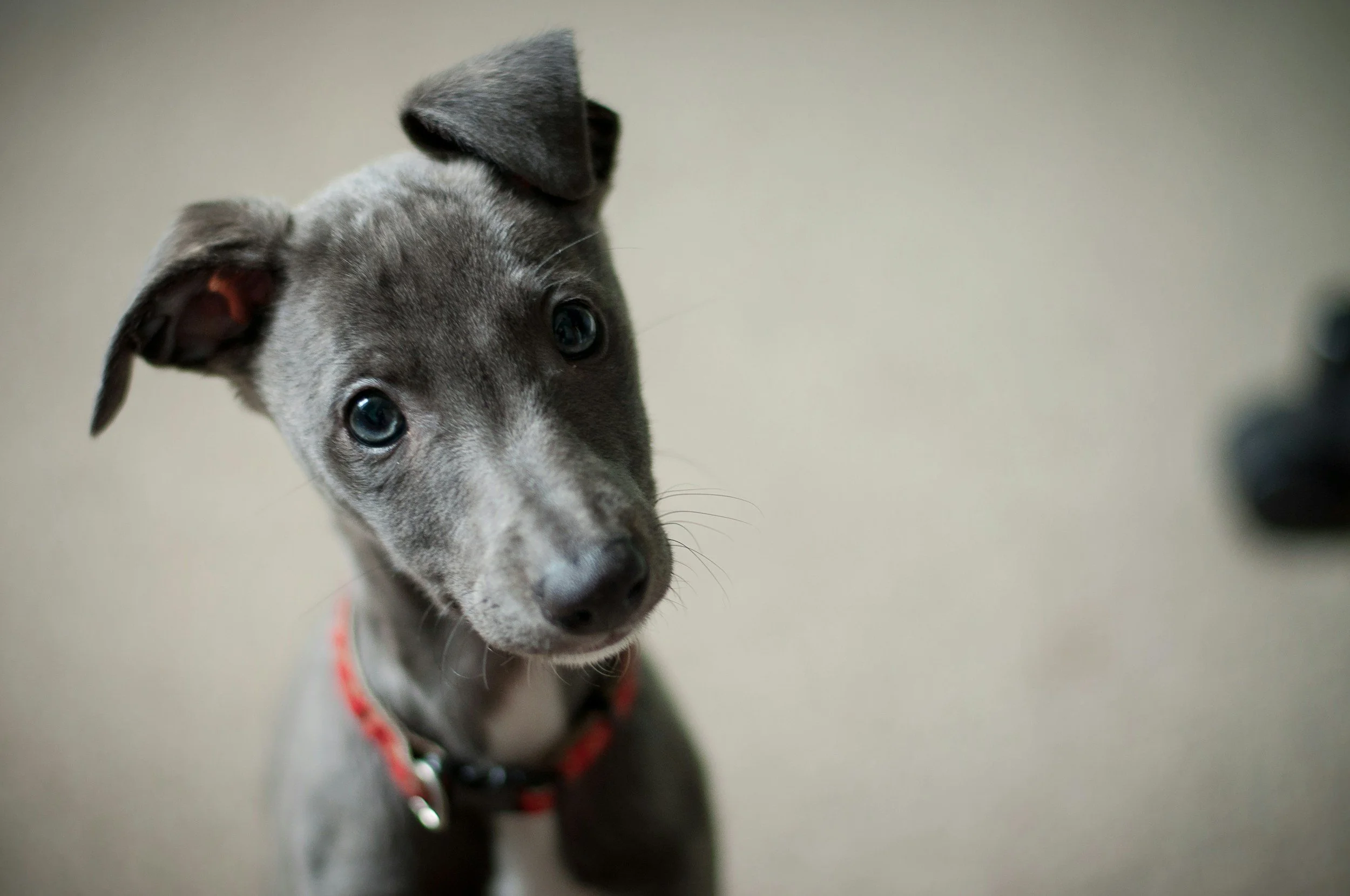
A WORD REGARDING STRANGER DANGER & PUPPIES
A holiday gathering is often a time that stranger danger kicks off in a cautious puppy! You mix tired overwhelmed puppies with family members that like to tease, maybe some alcohol, poor choices, family dynamics and create the perfect storm to damage a developing puppy’s trust in people they are not very familiar with.
I cannot tell you the numbers of dogs that their issues with strangers started “after uncle Dan chased him around the house” because the drunk uncle thought it was funny the little puppy was afraid of him. For real I would tackle drunk uncle Dan and toss him out of my house 😂. No but really, if you KNOW you have this family dynamic and have a puppy, you can put them (the pup or drunk uncle 😂) in a nice quiet room in their crate with some calming music on and let them skip the festivities. Do NOT let family pressure make you cave to letting people scare your puppy!!! You very well may spend the rest of that pup’s life trying to undo that scary moment. It is NOT funny when puppies are afraid and barking or running away from people or things. If your family wants to interact with your puppy in a healthy way, give instruction on how to greet properly and how to let the pup come to them, play triangle games (see the reactivity course). Supervise until you can see the puppy feels completely safe and at home with the new people. And if they are not listening to you, put the puppy in another room!