
Tips for traveling with dogs!
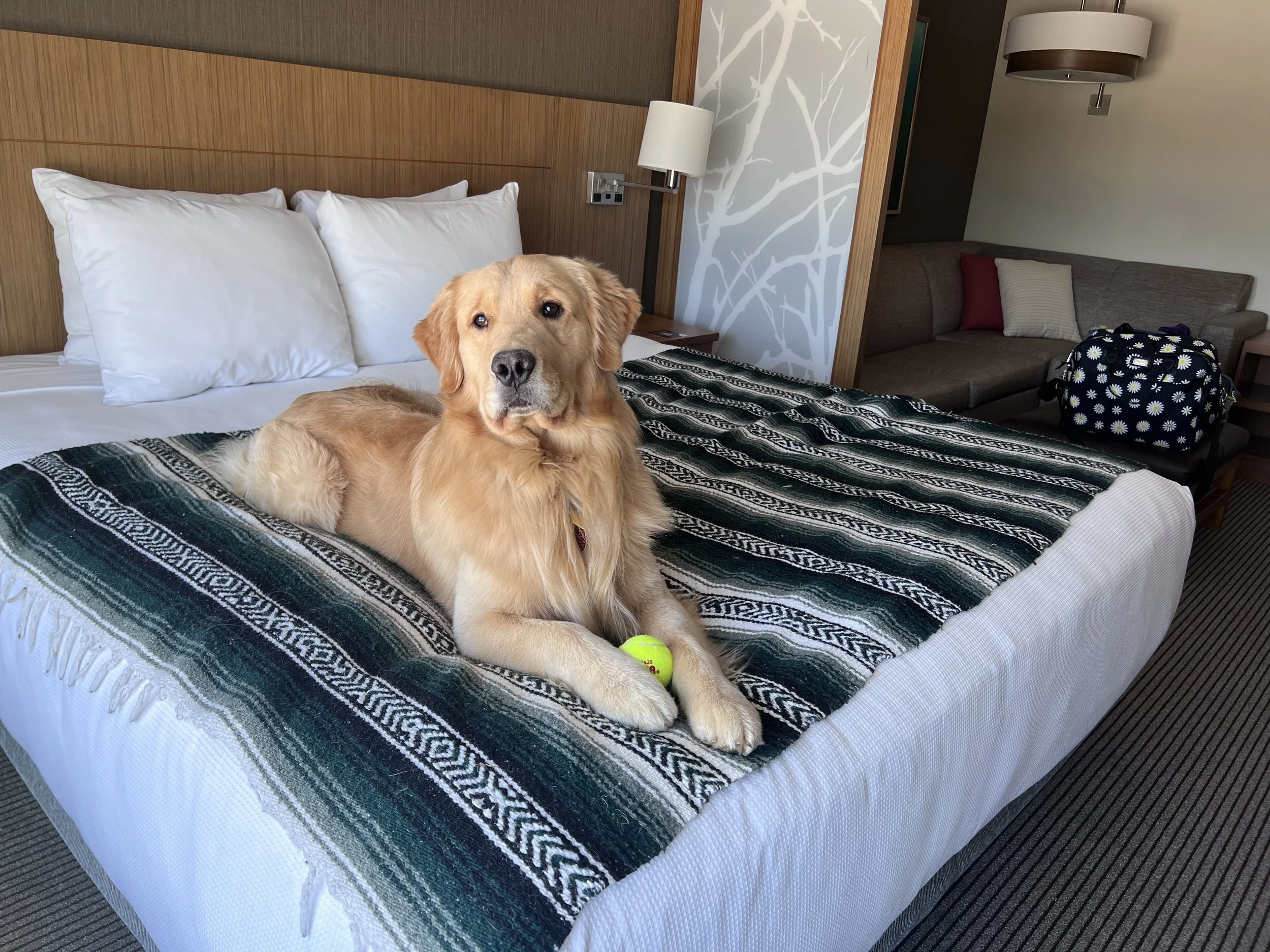
Tips for helping dogs handle hotel stays more easily:
Considerations for the best rooms for dogs:
Top floor rooms tend to be quieter, so if your dog is going to react to sounds, a top floor will have less of them.
Bottom floors provide faster access to outside, so if you have a pup or older dog that needs more frequent potty breaks lower level rooms are nice.
Also, some dogs might be afraid of elevators, so if your dog hasn’t ever been in one it might be good to test that out before your trip and work on it if they are.
Requesting a room away from the elevator, ice machines, etc can also cut down on the noise.
Finding Pet friendly hotels:
Be aware of pet policies and find out ahead of time if they will fit your needs! So often places listed as “pet friendly” have policies like “under 20lbs” or only 1 pet, etc. You don’t want to find that out as you check in and findout your dog(s) don’t fit the policy. Also, is the policy negotiable? We OFTEN stay in places that list a maximum weight even though Leo is usually over it. But we ask while reserving and offer references: being able to show your dogs have things like CGC and obedience titles, telling them you are a dog trainer, etc. often the policies are open for discussion, just be sure to take the person’s name, and note the time and day incase you have an issue at check in.
Many chains are usually pet friendly, but some of them are always and some depend on the location. We have a lot of success with: Hyatt, StayPineapple, Kimpton, Best Western, LaQuinta, and some Holiday inns. There are many more, but if we travel I check for those.
AirBNB can be a great way to find pet friendly rentals, be aware the fees are getting pretty out of hand at times so we find anymore they are more expensive than a hotel, granted we are usually just traveling with two people.
There are a lot more websites dedicated to finding pet friendly hotels, like BringFido, that do the leg work for you, so you just look up where you are going and they list the options for you. They are often outdated though, so again, check the hotel’s policies to make sure they have not changed.
Setting up the space:
Bring a blanket from home to throw over the bed, having bedding that smells familiar can help offset all the other strange new smells.
Bring a couple of their favorite toys as well, again familiar things add comfort.
Crate training is a GREAT asset for easier hotel stays! Having a familiar crate with their bed, placed away from the door can help dogs new to hotel stays rest more comfortably. I like soft canvas folding crates as they are lighter weight and easier to bring into the room with you.
If you are traveling and will be staying in multiple hotels, trying creating a consistent pattern: Food and water bowls in a similar spot, having their crate in a similar spot.
It can help to lay a folded towel or small blanket along the bottom of the door crack, my dogs love laying on the tile floors that tend to be by the door rather than the carpet, they see shadows from people walking by, so blocking that can help if your dog is barking at the door at people walking by.
Navigating the environment:
Have treats handy and help your dog stay close to you as you turn corners or enter/exit elevators, dogs can get startled by people & other dogs suddenly appearing. If possible have your dogs wait a bit behind you at & in elevators, and take corners wide, using the lead to keep your dog at your side so you see what’s around the bend before the dog.
Scope the dog walking spots out before your dog needs them so you know what corridors and doors to take to get there quickly when they do need to go.
Check to see if there are any restrictions on where you can take your dog on the grounds.
Helping a dog that is struggling:
Have a dog barking at everything, too stressed to calm down and sleep?
Turn on the room fan, even if it makes you freezing cold 🥶. Running the fan creates some nice white noise that can help drown out some of the sounds.
Leave the TV on, again white noise to drown out the noises can help them relax.
Be creative about finding ways to keep them away from the door where most of the noises will come from. Maybe you can makeshift a baby gate using some trash bins, suitcases, etc.
Maybe you can leash them and have them lay next to you on the bed or maybe a crate next to your bed.
Bring some chews for them to have to help them settle.
Discuss with your vet prior to travel about having some anxiety meds on hand if they are struggling.
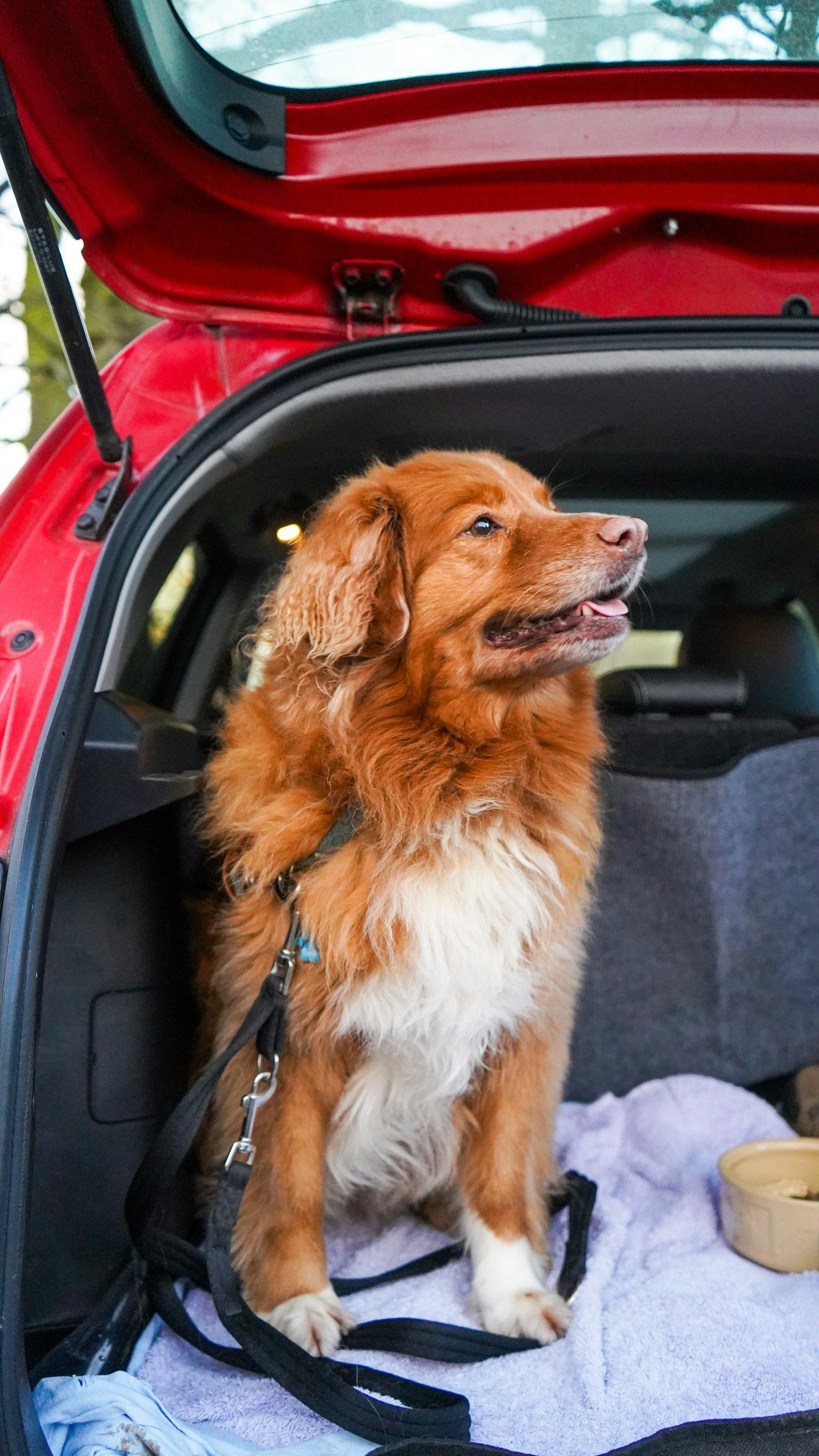
Making car travel more comfortable for your dog.
Preparation:
Is your dog already used to the car? How do they feel about it? If they are anxious and worked up don’t assume they will automatically get over it.
get your dog used to increasingly longer car rides, starting with short trips around home, building to longer ones
get your dog used to different types of roads, is your trip mostly freeway or back country winding roads, be sure to help them be ready for what they will encounter
set your car up with their safety and comfort in mind. Often dogs just get shoved into any open space and are expected to cope, they may not.
plan your trip. Scout out dog friendly accomodations. Have a reactive dog? Perhaps airbnbs offer lower stress stays? Cottages and cabin rentals might be easier for them than hotels and busy campgrounds. Check sniffspots and google maps to find dog friendly parks or field rentals on your route to offer your dog some decompression time and exercise.
Make their spot comfortable, so many simple issues can cause a lot of anxiety for some dogs. Rattling crate doors can make many dogs afraid of their crates. Slipping can cause a lot of fear, especially for older dogs, having non-slip crate mats so they are slidding all over inside their crate during turns! Sun beating down on their crate side of the car, can you shade it? Hot? Maybe add a crate fan. If they don’t ride in a crate, again, does their spot provide secure footing so they are not slipping around when you stop or turn? Tips for things I do for my dog’s crates:
I have “dirty dog” rugs down under their crate pads, these have a rubber backing that keep them from slipping. You can often also use things like bath mats or using thick crate pads the exact size of the crate bottom so they can’t shift. What goes next depends on the dog, Leo who runs hot has a double thick fleece mat with no extra padding so it doesn’t heat up. Nick and Julia like to be cozier so they have thicker padded mats.
I have been known to spend a lot of time rattle proofing my crates before I got the Rufflands that don’t rattle as they have no metal. Things I did with rattling crates: putting some electrical tape around the metal handles. Putting a shim of some kind in the door corners, often shutting a small piece of a rag along the corner would stop the rattle. It seems silly, but if you have a sensitive dog it’s good to spend some time sorting out how to make their ride less scary.
Covering seat covers with another non slip surface. Many dog seat covers are designed to be waterproof and protect the seats are made from a thick canvas that is very slippery. Putting bedding down over those covers can make a huge difference.
My crates have fans if it’s really hot out to help push the AC back to them.
I have extra window sun screens that I can put along the sides of their crates.
Using a seat belt? Be sure to build up their trips gradually so they get used to how the seat belt feels.
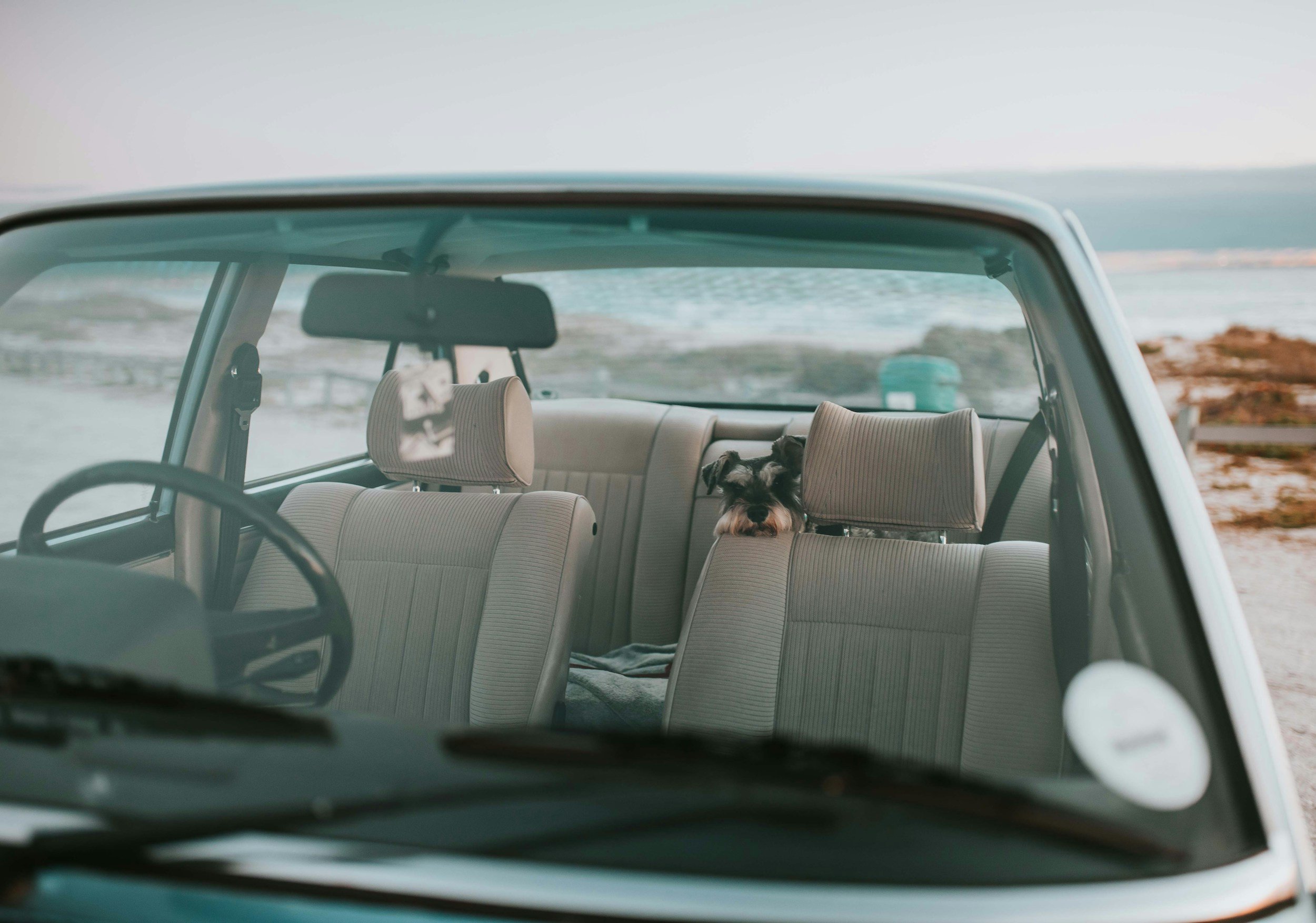
On the road:
Again, scout ahead of time places you can stop for breaks. Roadside rest stops are often the worst place to walk a dog! They are usually very loud, right on the road, very busy, which can make it harder for your dog to relax enough to go potty in a strange place (especially if you have a girl). Maps that show parks are great to have along, I’ve found so many neat new places to explore just a little off the main road by looking for places to take a break where the dogs can walk.
Often we forget as we are munching away on our passenger princess snacks and sipping our drinks while our dogs sleep that they also need drinks. If your dog doesn’t have access to water in their spot, be sure to stop every few hours to offer them a drink and chance to go potty.
Taking care of your dog’s needs BEFORE they start becoming an issue creates a much calmer traveler! If you wait to stop when they start barking or whining because they are thirsty or need to pee then you can create a dog that makes a lot more noise in the car. Plus, when you take more frequent breaks where they get to walk, you don’t have a dog that’s been sleeping all day wild with energy as soon as you stop!
Looking for fun places to explore in a new place but don’t know how to find them? Go where dog lovers hangout and ask locals! (pet shops - small local shops are better than big box stores!, Gear shops and breweries you can often find active dog folks who know the local scene.) We find many great dog walking spots this way! Social media is another great resource to ask about the local dog friendly spaces.
Be ULTRAsafe and have a system for getting your dogs in and out of cars and hotel rooms. Many dogs get lost every year because they get frightened and bolt from a car when a loud truck or something like that scares them. Or they see a type of animal they have never seen before and bolt after it. If they are in a seat belt, attach a leash to their collar before you unclip the seat belt. If they are in a crate, open the door a little and snap the leash on before you open it all the way. If they rise loose, put the leash on before you open the doors, open the door a little, take the leash before opening it all the way up. On that note, make sure they are wearing ID tags and if they are chipped make sure your contact information is up to date!
Consider attaching a safety card to your dog’s crate with emergency contact information incase you are in an accident so someone can see to your dog’s care if you cannot.
Keep important things very handy: stash poop bags, leashes, treats, water and bowls right where you need them when you stop for a break.
If your dog has a history of anxiety, reactivity, sound sensitivity consult with your vet ahead of time to have meds on hand if they are having a really hard time.
Keep an eye on how many treats you are giving and be careful about too many new things. No one wants to travel with a dog that has the squirts! (be sure to take wipes, trash bags with you incase they do!) Too many new or rich things can upset their GI system more easily with the stress of traveling.
Bring back the Picnic! We find when traveling with dogs we love stopping at parks for picnic’s over trying to find a restaurant that we can take our dog too, we do a lot of that too, but the combination of being somewhere with our dogs can stretch their legs while we eat can be a great use of stopping time.
Know the local dog dangers! Does the water in the area have blue green algae blooms? Are ticks a problem here? Do I need to look out for snakes? Foxtails?
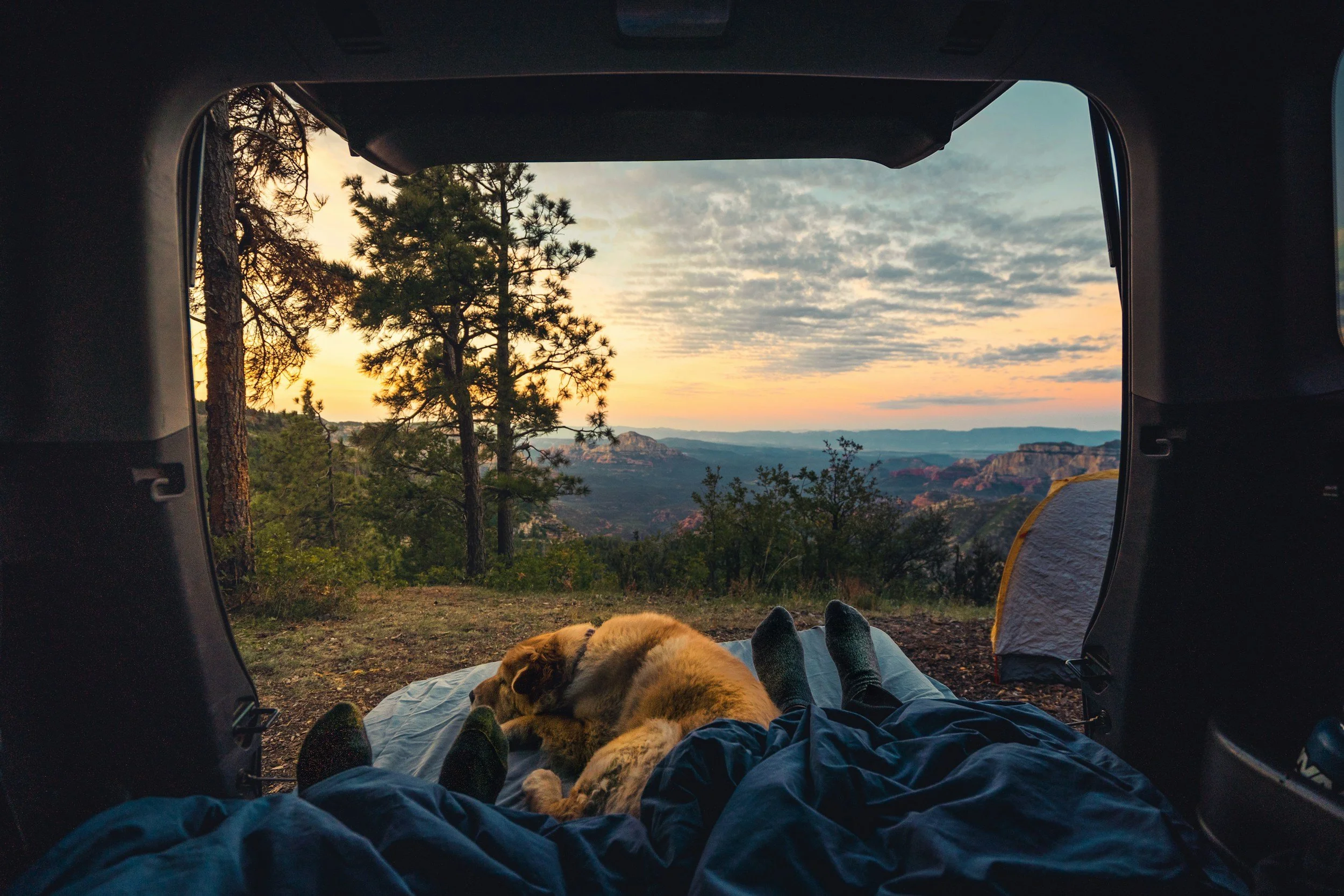
Dogs can make the best travel buddies! But it also means you need to be prepared to see to their changing needs. Know that dogs with big feelings can get more trigger stacked, by simply the travel itself. So even if they are not having negative encounters just all the changes of environment can make them mentally tired which can really increase reactive behavior. Some dogs struggle with getting enough rest on trips as they keep up with all we are trying to do and that can also lead to behaviors you would not normally see. Make sure your dog gets both plenty of rest and plenty of decompression time. Your dog maybe exposed to environments they were never socialized to and that could lead to behaviors you are not used to seeing. When all of these things happen, don’t be upset with your dog, this is them telling you they are overwhelmed and need some rest.