Preparing for outdoor adventures with your dog
For many of us summer is right around the corner and we might be planning outdoor vacations and adventures with our dogs. In the recorded zooms you can check out the talk we had on Saturday about preparing for camping and backpacking. Here are the packing lists I said I would share:
I also want to talk some more about other things to be on the lookout for and to prepare for.
Pests:
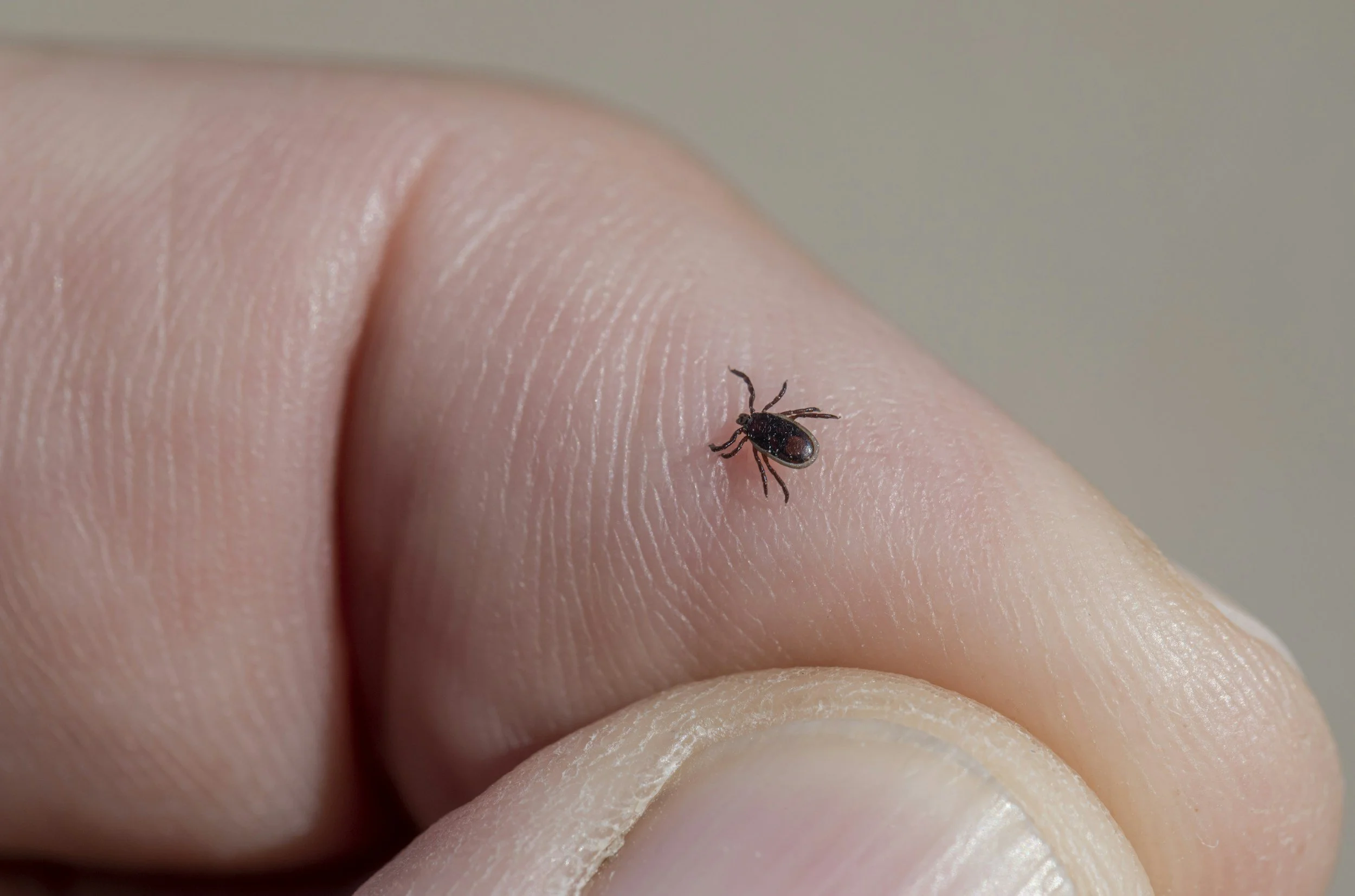
Ticks carry many diseases that affect dogs and people, be sure you are aware of whether they are an issue where you might be traveling to. Do daily tick checks even if your dog is on a preventative, many of these drugs do not work until a tick bites the dog, so they can still carry them into your tent!
Fleas, again does the place you are visiting have fleas as a concern? Do you want to treat your dogs with something to prevent an infestation? Please be aware of the environmental impacts of what those treatments do to the environment. It maybe an unpopular opinion but I don’t treat my dogs and instead check them daily and give them baths as soon as we get home rather than risk my dogs bringing pesticides into the deep backcountry. I am not saying you should not use these things, but be aware of how they affect the ecosystems you bring your dog into. And yes, even the medications dogs take internally are often found in their urine and shed into the environment. I like the natural product Wondercide, it’s not bombproof but it has helped.
Mosquitos, are often the hardest to keep off our dogs. Check the area to see if Heartworm is a concern as it is passed via mosquito bite, there are many heartworm preventatives, discuss with your vet what is most appropriate for your dog.
Bees, hornets, spiders, stinging insects! Ask your Vet the appropriate dosage for Benadryl for your dog and always carry it when you adventure!
Wildlife:
Venomous snakes are a risk to a dog in some areas and many are accidentally stepped on or run by. Be sure you are aware of whether the area you are adventuring has venomous snakes. Keeping a dog on leash when hiking where danger noodles frequent is a good idea. There are now R+ snake aversion training courses you might consider if you spend a lot of time in snake country.
For the most part our dogs are more of a concern to wildlife than the wildlife is to them. Our dogs can be a BIG impact to wildlife, so please if your dog chases wildlife and doesn’t recall off, keep them on leash. Dogs racing around quickly can excite predators like: mountain lions, coyotes, bears and wolves bringing them towards you. This is rare, but it can happen. Research how you should respond to wildlife encounters! This is not the end all be all, but in the US for the most part the answer is make yourself look big and face the animal, DO NOT RUN. In all of our encounters with lions and bears, I take hold of the dogs collars, stand facing them and talk loudly about how they should go away.

Flora:
Do you know what poison oak & ivy look like? Keep in mind dogs easily spread it to us. They run through the plants, the oils get onto their coats, we pet them and the oils get onto our skin. My husband gets very bad cases so I always bathe the dogs if we have hiked in an area with these plants. Usually I just hike at elevations above where it grows.
FOXTAILS (cheat grass) do you know what it is? If not check to see if it grows in the areas you are traveling to. Our local vets are kept busy all summer long dealing with foxtails. They are little grass seeds that are shaped like an arrow with tiny barbs on them so when they stick to the dogs coat they keep working their way in with each move the dog makes. They now make little face nets dogs can wear if you live or travel to a real foxtail heavy area. Personally I just don’t knowingly take my dog places they are. However, they still manage to pick them up, so I still check every day.
Ears: when the dog runs through tall grass or sticks their head into the weeds to sniff they can slip into the dogs ear canal. This almost always requires a trip to the vet to be removed. If they sudden start shaking their head over and over again, if one ear is held low these are often signs of a foxtail in their ear
Eyes: the small seeds can get stuck between the dog’s eye and their inner eyelid. Suddenly holding an eye closed? Squinting with one eye? One eye running a lot and looking swollen? Pawing their face? Time for a trip to the vet. You might be tempted to just pull the foxtail yourself, but be aware if the foxtail scratches their eye it can easily get infected, so most times a dog with a foxtail in the eye will need meds for a few days.
Nose: Dog suddenly sneezing over and over again after being in the grasses? A sudden onset repeated violent sneezing is a definite head to the vet moment.
Feet: Check the pockets deep between their toes, this is a super common place to get them (if you watch my IG you would see that Leo had a tiny one this weekend) Also check under their paws between the pads. I have had good success using epsom salt soaks to draw out small foxtails that have entered their skin between their toes. They often get a little wound on their foot at the point of entry. Untreated foxtails have been known to travel all the way the dogs leg. So be sure to take them to the vet if they have wounds on their feet especially between their toes that are not healing! They often look like a big pimple as their body creates a small abscess around the foxtail to try to wall it off. Your vet may need to sedate them to remove a deeply embedded foxtail.
Body: common places to check- armpits, groin, chin/neck and the backs of their legs. But know they can end up anywhere on a dog, so check their whole body.
Poisonous plants. Many plants that grow along rivers and lakes can be poisonous so be aware if your dog is grazing.
Mushrooms: again many mushrooms can be very toxic to dogs so be aware if they are in the area and keep your dog from eating them. Be aware in some places very small ones can grow in grass and dogs can accidentally ingest them while grazing

Foxtail grass seeds (also called cheat grass)
Heat Stress
Are you familiar with the signs of HEAT STRESS in dogs? The early signs are common and often observed during normal exercise, but can quickly lead to increased problems so act when you see the first signals:
Increased thirst
Increased panting
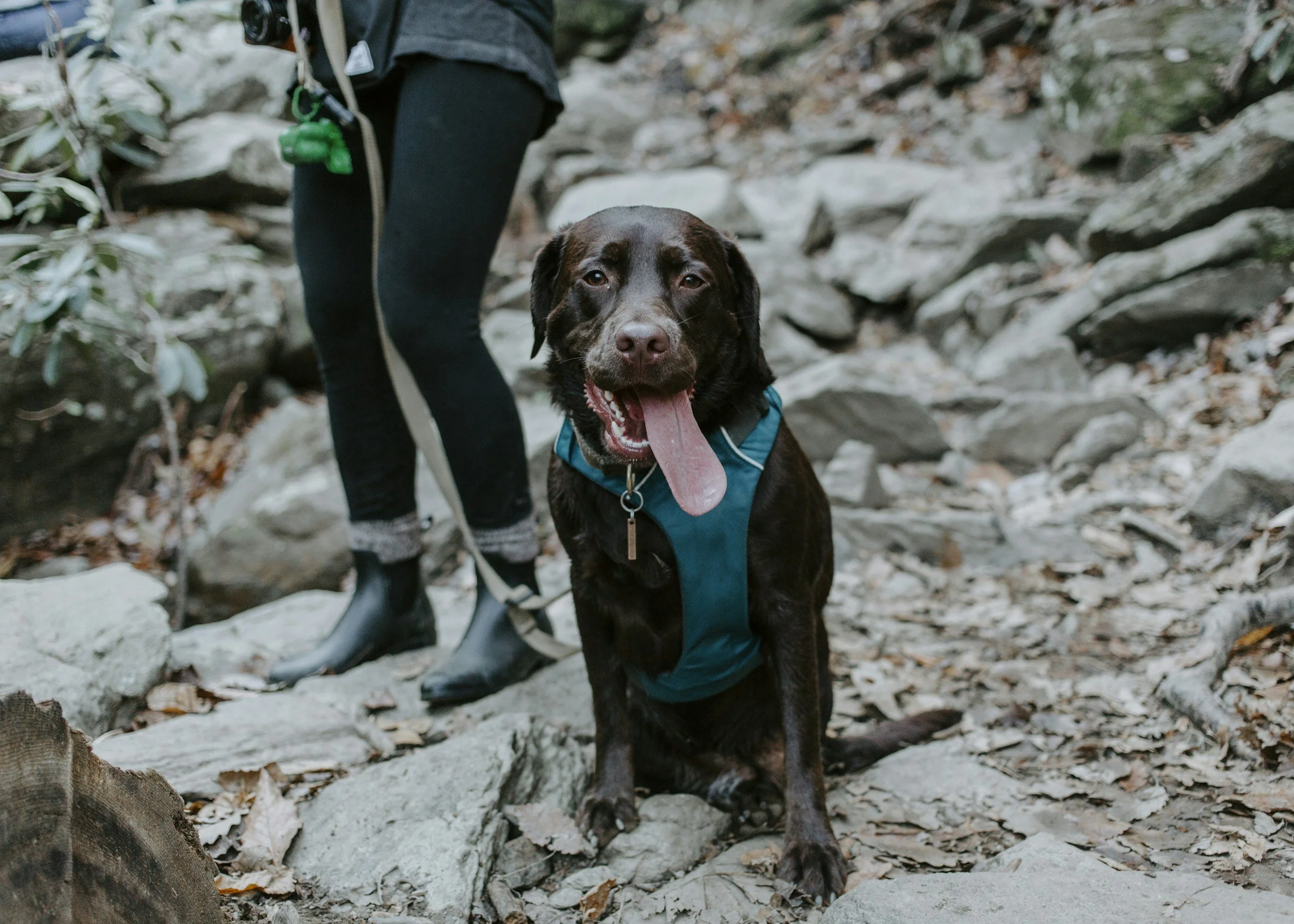
Give your dog plenty of access to water and shade during exercise in the heat. Be smart and avoid the hottest times. Be aware that MANY high drive dogs will NOT ease up when in drive. Many dogs are capable of exercising to the point of heat exhaustion when playing because their drive overrides their awareness. So when you see signs of heat stress stop activity, move them to the shade or inside where there is air conditioning on and offer water.
As heat stress increases if they are unable to regulate their body temperature it can lead to HEAT EXHAUSTION:
heavy panting
Weakness and episodes of collapsing
which can progress to HEAT STROKE if left untreated:
Change in gum colour (bright red or pale)
Drooling
Dizziness or disorientation
Dullness and collapse
Increased heart rate and respiratory rate
Vomiting and/or diarrhoea
Muscle tremors
Seizures
Should your dog’s symptoms worsen, or you think your dog is suffering from heat stroke, you must take immediate action. Steps to take include:
Begin cooling your dog by wetting down their body with a hose or bucket, but avoid the face.
A fan blowing over their damp skin will assist in cooling them down.
See a vet immediately.
It is not advised to place wet towels over the body as it will trap the heat that is trying to escape
Recruit others to help you – ask someone to call the vet while others help you cool your dog
Water Dangers:
Toxic Algae:
Algae blooms can be found in stagnant water, especially during warm weather spells or after periods with a noticeable lack of rain. They may appear as either blue-green or red-brown colored blooms, mats, foam or scum on the water. The water may also smell of rotting plant material. Signs can develop rapidly or over several hours, and may include any of the following:
Vomiting
Diarrhea
Weakness
Pale gums
Collapse
Drooling
Muscle tremors
Difficulty breathing
Muscle rigidity
Paralysis
Seizures
Sudden death
Be on the lookout for questionable water sources when adventuring with your dogs!
Avoid drinking from or walking and swimming in water that has visible algal blooms, scum, foam on the surface or that has an odor.
Check local advisories for warnings before visiting a particular body of water.
Remove stagnant water (plant containers, birdbaths, fountains, etc.) to prevent blue-green algae growth around the home.
If you think your pet may have been exposed to an algae bloom, rinse their fur with fresh water and bring them to a veterinary hospital immediately.
Water Intoxication:
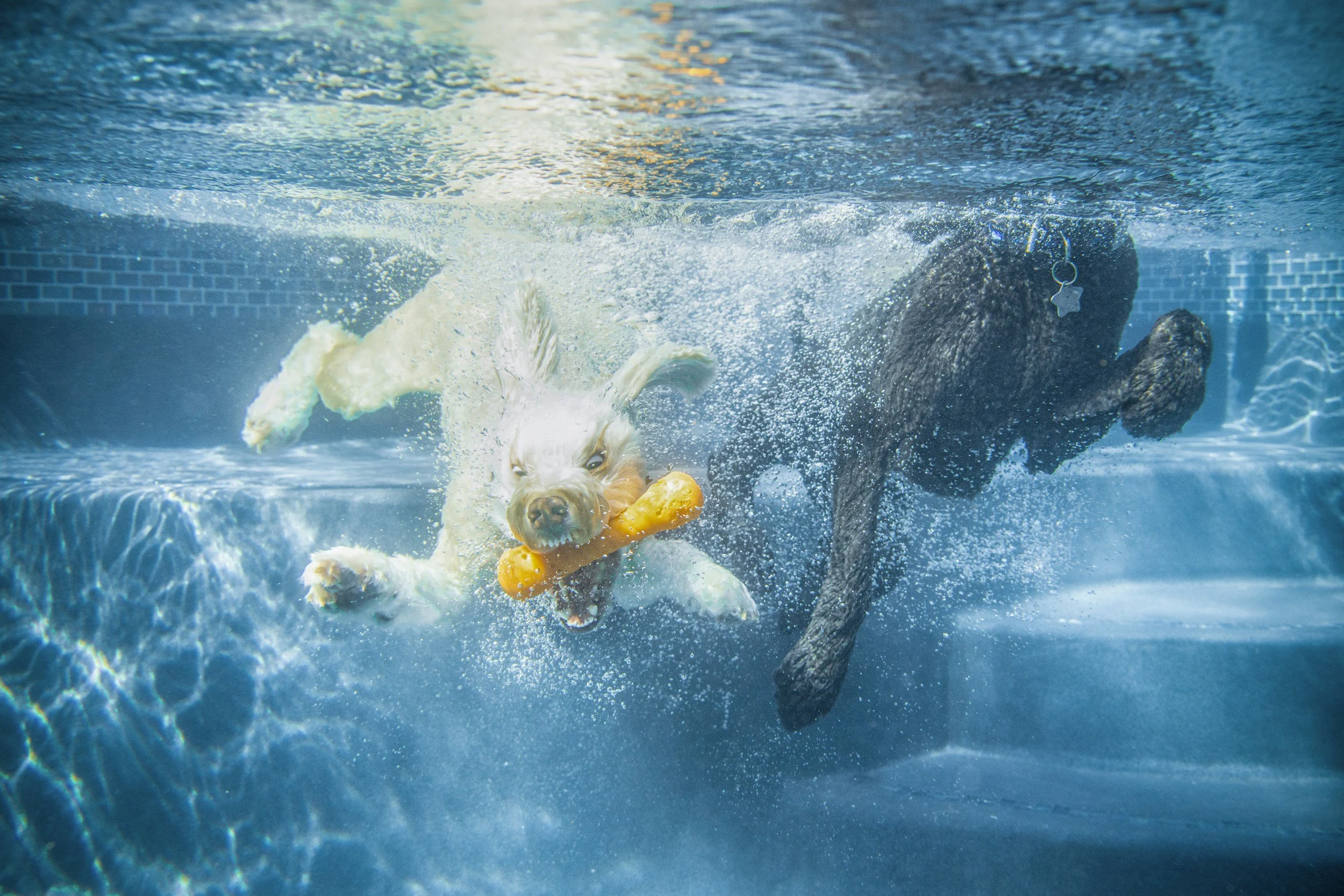
Did you know ingesting too much water at once can be lethal? Dogs can get what is called water intoxication from taking in too much water. It most commonly happens with active dogs that “play” with the water, dogs who bite and chase waves and ripples in the water. Dogs that are playing a lot of fetch that swallow water when grabbing the toy. Dogs that bite and attack sprinklers and hoses are at a higher risk as again like heat stress, the fun of playing can override their natural self preservation. When the body is overwhelmed with an excessive amount of water. First, sodium levels outside the cells are depleted, a condition called hyponatremia. In an effort to rebalance itself, the body responds to low blood sodium by increasing fluid intake inside the cells. Some organs, such as the liver, can accommodate the increased volume of their swelling cells, but others in particular, the brain, which is encased in bone, cannot. Symptoms can look very similiar to algae exposure:
Lethargy
Bloating
Vomiting
Loss of coordination (including stumbling, falling, or staggering)
Restlessness
Drooling
Pale gums
Dilated pupils
Glazed eyes
As the pressure in the brain increases and its cells begin to die off, the dog may have difficulty breathing, develop seizures, or slip into a coma.
If you suspect water intoxication seek veterinary care immediately!!!
Other water risks:
Drowning: yes dogs can also drown, especially certain breeds like brachycephalic dogs (dogs with the short pushed in muzzles), older dogs, young inexperienced dogs. Also water conditions; in our area often the fast moving cold rivers or rip currents in the oceans can claim dog lives.
Hypothermia- dog’s playing in cold water that are not equipped for the temps can suffer hypothermia
Injuries from things in the water- most of my dog’s feet lacerations have come from broken glass in lakes and rivers
Parasites & disease! Such as Giardia & leptosporosis.
Falls:
Do not assume dogs understand cliffs and fall risks! Many dogs are very smart and saavy around steep areas (like the mountain goat Nick) but there are also many that will walk right off a cliff unaware. Many dogs will follow something right over a cliff, I suspect Leo could accidentally follow a butterfly off a cliff for example. And many dogs accidentally slip and fall. Keep your dogs LEASHED and HARNESSED near steep falls.
FEET, FEET, FEET:
Injuries to paw pads are the #1 dog injury when adventuring!
Protect their paw pads from hot surfaces! Hot pavement, hot rocks, hot dirt can all burn their paw pads. Always check the temp of the surfaces when you walk in the heat. Use boots if they are not properly conditioned and even when they are be aware it can still be too hot for thick pads.
Water to rock to water to rock is the fastest way for dogs to blister their feet. Dogs that swim then run around on rocks repeatedly damage their feet quickly. Water softens the paws and makes them blister more quickly. If you are camping or backpacking and your dog is swimming a lot try to pick areas where they can exit the water on grass, or encourage them to stay in the water rather than exiting and running back in. I generally stand in the water when playing with my dogs so they stay in. When backpacking, dry their feet before you head back on the trail.
Keeping dogs on leash can lessen the impact on their feet if they are prone to race around, however in the heat often leashing dogs keeps them on hot surfaces longer, our dogs trot ahead to shade and wait for our slow selves.
Condition their feet beforehand! If your dog primarily lives on soft grass and carpet their feet will blister quicker than if they regularly hike on surfaces like gravel that will toughen their pads.