
Patio Dog Recap
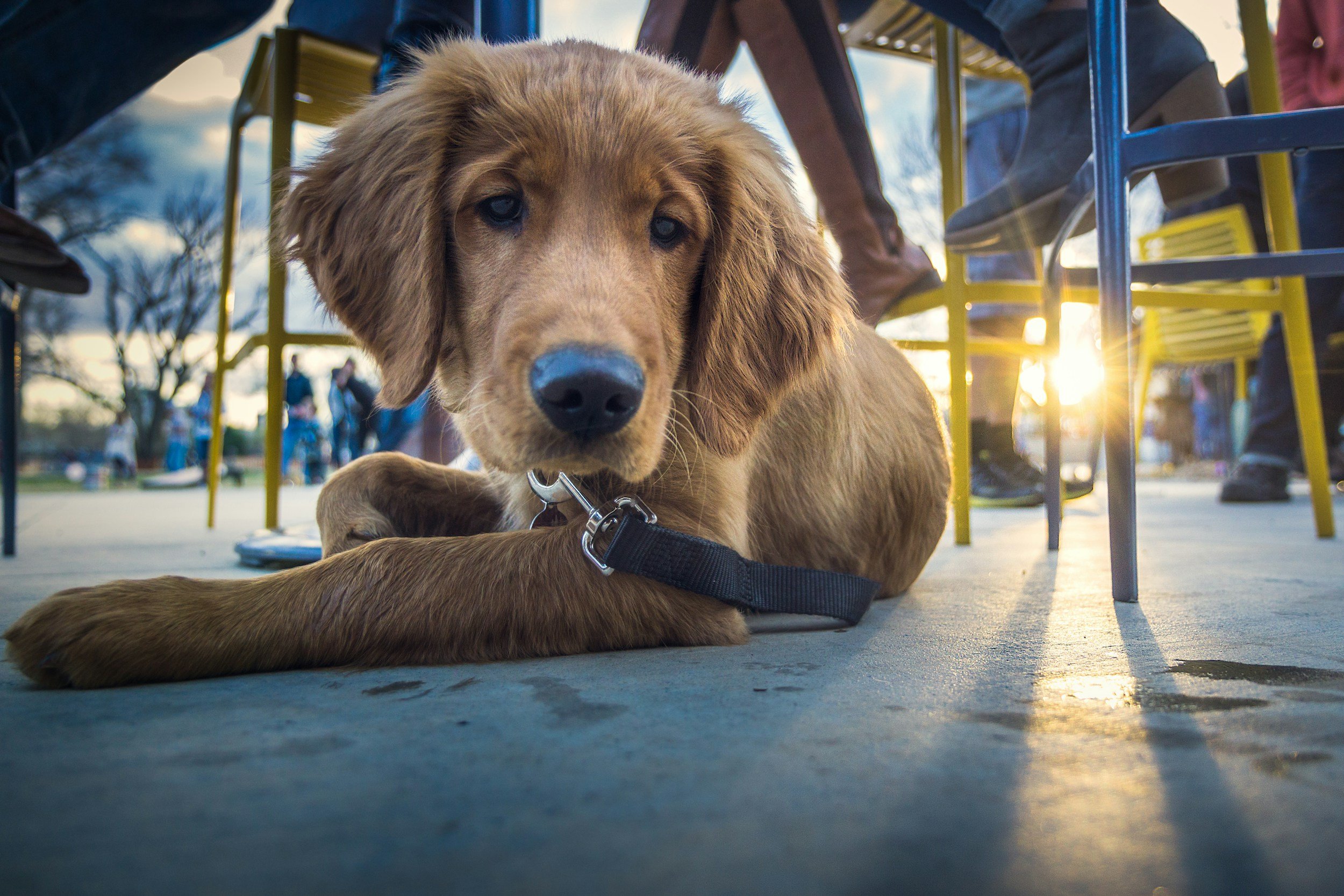
So let’s talk about the process and realities of patio dogs now that I have laid out how I work on my dog’s skills hanging out in public.
Not all dog’s are good canidates for becoming a patio dog!
It takes a certain temperament to find the stresses of busy public settings a casual affair.
Reactive, anxious, nervous, easily frustrated dogs can find this environment extremely stressful and while it may seem more loving to bring your dog with you everywhere you go, for many dogs it is far more loving to leave them home.
I do patio dog training with all our dogs, but only so they can cope if we have to take them with us when we travel. Emily was the best trained dog I’ve ever had and she HATED joining us at restaurants. The noise and chaos made her uncomfortable, so whenever possible we avoided it, even if it meant eating takeout in our car when traveling. She could do it and anyone watching would think she was fine, but I could see all her stress signals.
Dogs need to be SAFE for the public to be patio dogs! They can get bumped into, have little kids run up to them, people petting them without asking, stepped over, in general the public will assume a dog in this setting is safe. If your dog is not safe with other people and other animals they should not be put in this setting.
Do you know what your dog looks like when they are stressed, uncomfortable, frustrated?
Look at their body, what do their muscles and movements look like? Tense dogs tend to have hard taught muscles, with quick darting movements as they look around at everything.
Look at their face, do you see creases on their cheeks behind their mouths? You will often see a C shape to the base of their lips as their tense facial muscles pull their lips tight, almost like a little grimmace. Do you see wrinkles above their eye brows that are not normally there? Furrowed brows can indicate a dog that is uncomfortable.
What does their tongue look like? Spatula tongue is when they get a wide tongue tip and their tongue hangs out more than usual, you often see it with intense exercise, but if you see it when your dog have not been exercising it can indicate extreme stress. A fast pant when a dog is not exercising is also a clue they are feeling extreme feelings. Generally a soft loose lolling tongue or a soft pant with a loose face indicates more of a happy dog just chilling, or obviously also a snoozing pup
Can they settle and sit or lay down on their own? Do they pop up immediately after sitting or laying down, pacing around, whining, panting? A calm comfortable dog will settle when they see we are parked for a bit, they might look around, sniff and check out their surroundings but they are capable of relaxing. It does take time to normalize this environment, so you might not start with a settled dog and they may stay interested in their surroundings, but a dog that constantly paces and seems intent on leaving along with body language indicating stress needs to leave or you risk them sensitizing to the setting.
Habituation takes some time!
I put the exercises all out in one week, but it takes longer than a week to work through this training!
Short frequent visits to the busy locations you expect a dog to later be able to chill in. Start with coffee shops, or park benches.
Move at your dog’s pace, if they are calm and curious but not stressed you can hang out longer, if they are stressed keep it very short and work on finding calmer settings to work up their confidence.
If they are high energy (ahem, border collie puppy) it’s helpful to bring them something to do (think giving kids coloring books)
Don’t meet up with friends unless they are aware you might have to leave early.
You can take a little walk and come back, if your partner is with you or a friend, and you see your pup is getting frustrated, take them for a little walk.
Flooding is when you keep a dog in a situation long enough that they just give up and give in to what’s happening. For stable neutral dogs this can work fine, honestly these dogs will be ok pretty much whatever you do. But if your dog needs some time to come around to feeling safe and comfortable in a new space, flooding them can lead to learned helplessness - they can shutdown, internalize their stress to get through the moment, but are left with an overall feeling of ick about it. It can lead to increased frustration rather than giving in, they can increase their frustration which can make us embarrassed and more likely to reinforce their acting out behaviors (feeding for demand barking, feeding constantly to keep them quiet leading to them pushing active behaviors for more treats. It can lead to increased stress and sensitizing to the environment (think poisoned cues, with the space being the cue).