
Baby Shark Do Do Do Do Do
Let’s talk mouthing
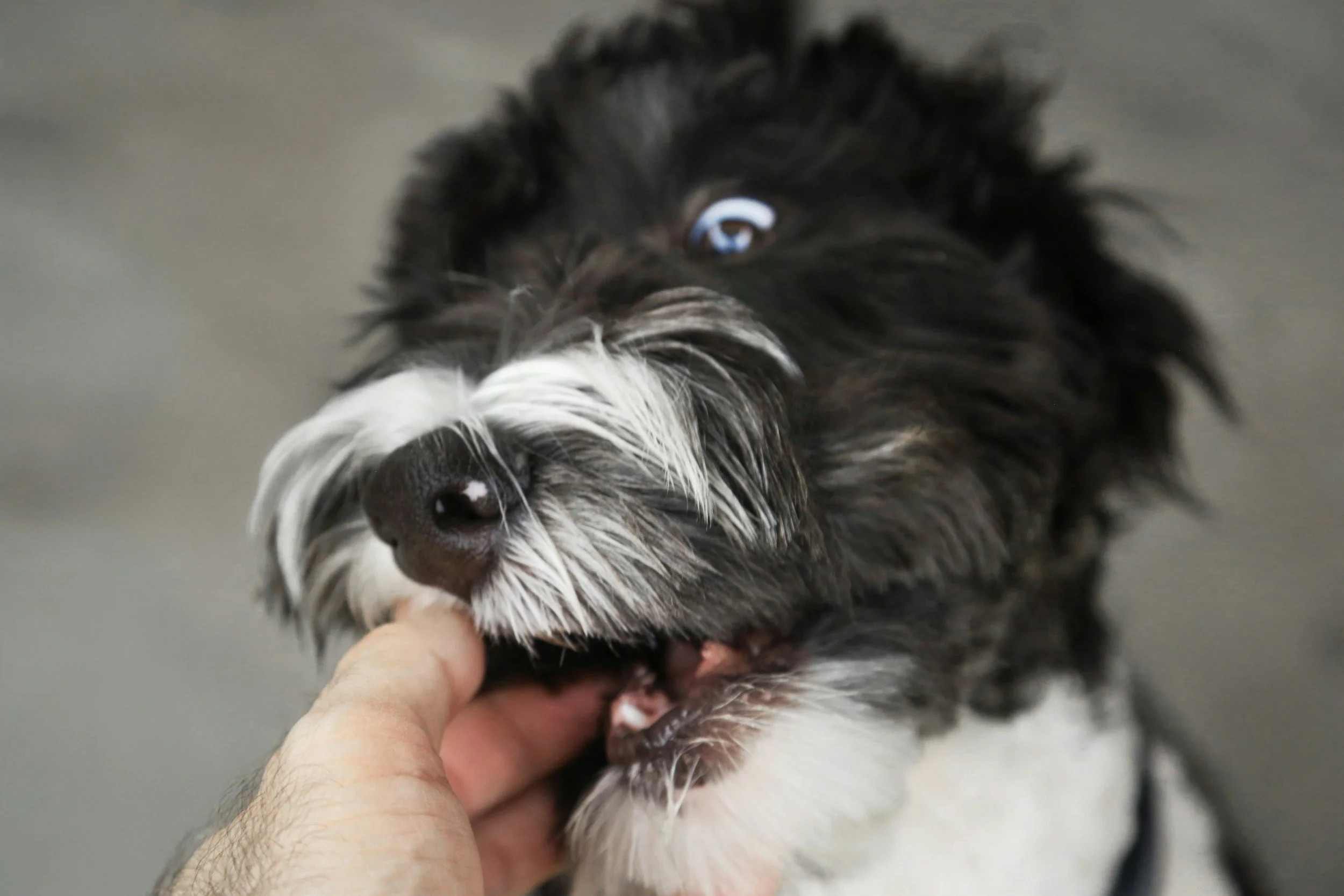
Mouthing is not the same as biting, though they do present the same, a dog putting their teeth on you, but the intent is very different, mouthing being about wanting interaction and biting being about wanting to stop something they don’t like.
With mouthing, your dog is attempting to engage with you in the most basic canine way, watch a little of puppies and at 3 weeks old they are already gnawing on each other’s heads. Watch two dogs playing together, the majority of the exchange when in a small space will be gnawing on each other and playing “bitey face”. A dog’s mouth is also their hands and how they interact with things, so mouthing is a 100% natural canine behavior, they do not understand our skin is more sensitive because it’s not as thick as theirs or covered in fur. For their first 2 months in this world they play by mouthing their litter mates, so they come to you already with the association if you want to play or engage with another being, it’s using your teefs.
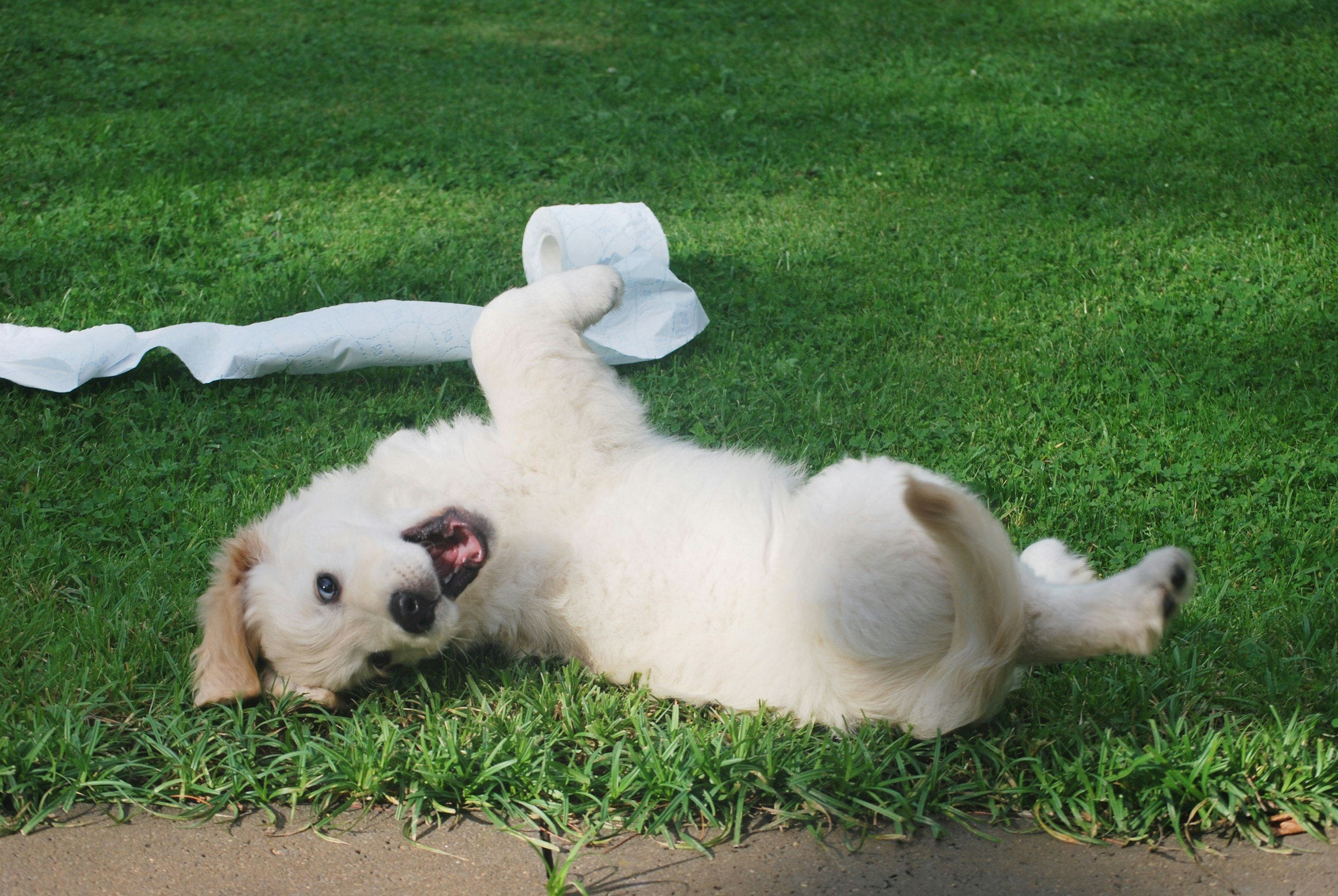
Mouthing is the most intense:
During teething, generally 4.5-6 months old as they are losing those needle sharp puppy teeth their mouthing takes on a new edge. The bites get harder. Both because their mouthes are very uncomfortable so they are overall more edgy from not feeling well. And this overlaps with their growth leading to them being awake and more active for longer periods of time. They go from being awake for 15-20 minutes and sleeping for an hour, to being awake for a few hours and sleeping for an hour. They have much more stamina and their desire to explore is rising, leading to more easily over tired and over stimulated puppies. Over tired puppies equals chompy edgy cranky youngsters who make very poor choices.
During adolescence, age depends on the breed, and especially male dogs can get very chompy and you see it present most often during frustration. They really want to go over there, the leash keeps stopping them, so they chomp at the arms holding the leash. Or they get very excited during play and they chomp on you like they would another dog playmate. Just like our baby puppies teenage pups also get the worst when they are over tired or over stimulated. So you might see it towards the end of a walk, you might see it after something really exciting, I once worked with a Labrador that redirected it’s arousal from trains, motorcycles and trucks going by onto mouthing it’s owner. They did not realize the dog was responding to loud noises and not just randomly going bonkers on them, the frustration of not being free to move away from the noises was presenting as mouthing.
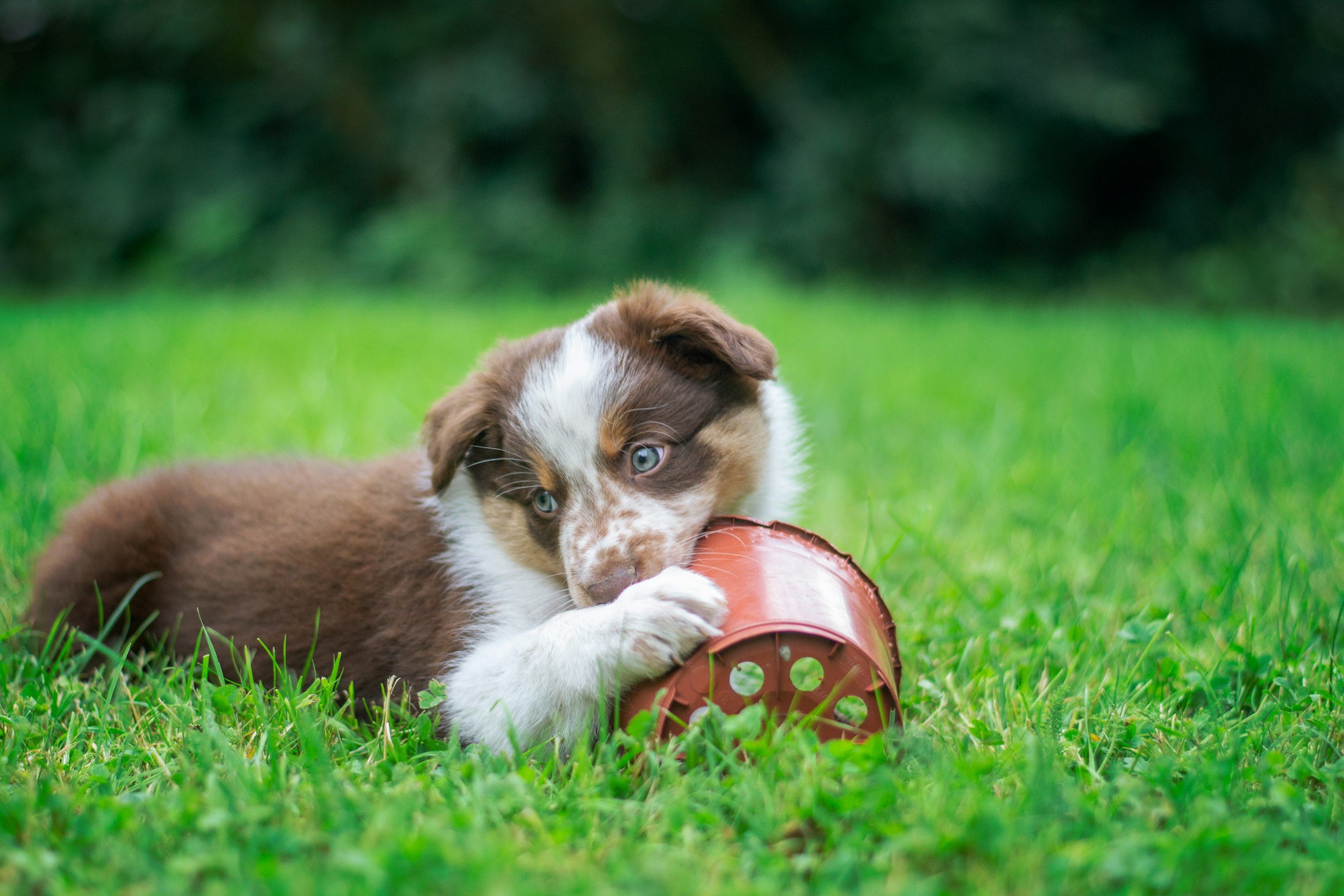
So these times: 4-6 months and again roughly 7-9 months tend to be the worst times for mouthing. So if you find yourself battling mouthing during this time, know that this is normal for these stages of development.
Some breeds and some individual dogs have much more intense and prolonged periods of mouthing. Some dogs are just way more orally fixated. These dogs your best defense is as early as possible building tricks and games that involve them holding something in their mouth.
You will notice with all of my puppies they learn how to “hold” and “fetch” not just with play, but as a shaped behavior very early on! Because building high value for occupying your mouth, is something that holds so many benefits throughout their life!
Why do they mouth?
To get your attention to engage with you
To burn off nervous energy
Because they are over tired, cranky and don’t know how to just lay down and rest
Because they are bored
Because they are frustrated
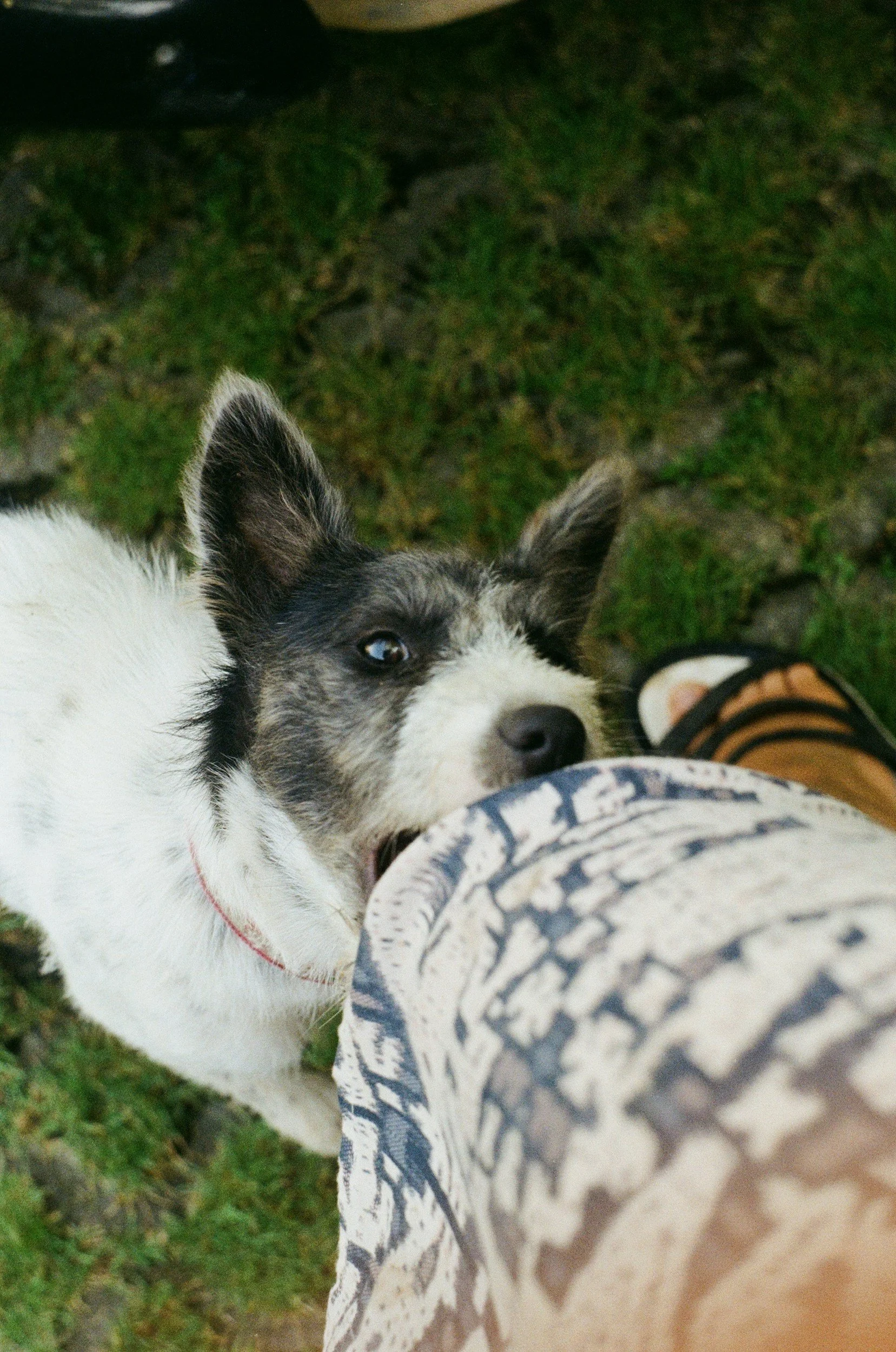
Teething!
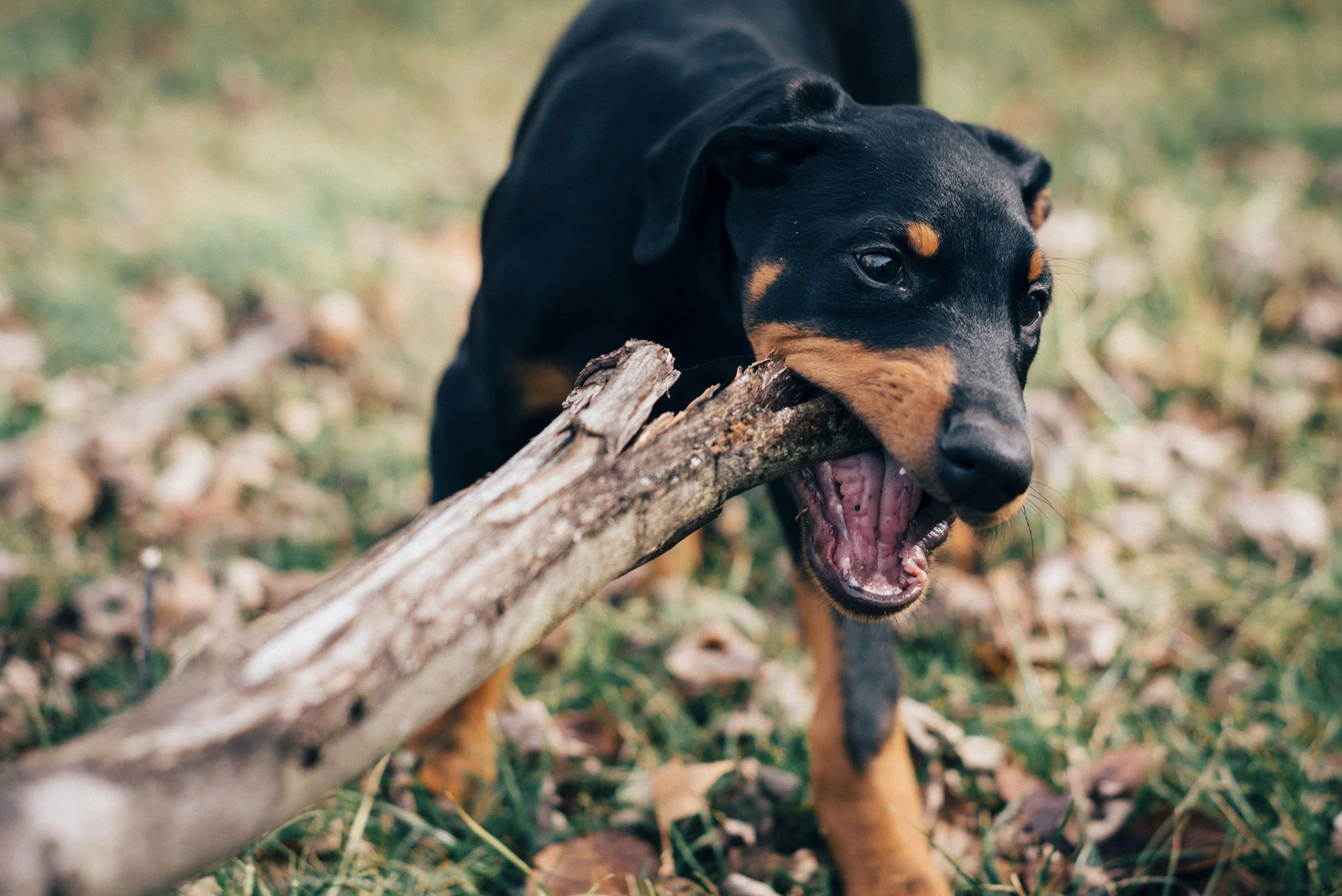
When puppies are teething you might find what they want to chew on is suddenly different! You might see blood on their toys and find teeth laying around. During this time they often target hard things they can really work a loose painful tooth on, like your baseboards, your table legs, etc. And you keep offering a soft toy and they are like no thanks, I’ll take the metal chair leg thanks. So be sure during teething you have a lot of different texture chew toys available! Hard toys like Nylabones, Kongs. Chewy tough toys- they often target leather shoes because they can really gnaw and tear, so can you find some leather textured toys? Frozen toys are a great relief! You can take a soft cloth toy, get it wet and stick it in the freezer. You can freeze bits of dog safe fruit in some ice cubes for them to gnaw on, Frozen kongs again can be a great relief. Many pet stores also have a selection of toys designed to be frozen for teething dogs. Often holding a toy can help. Often when their mouthes are uncomfortable and they want to chew on you, you can hold a chew for them and they chew on that in your lap finding that comforting. Just know this passes FAST. Generally most of their teeth come out between 4.5-5.5 months, sometimes the canines hang on a little longer and drop between 5.5-6 months.
So the first thing we look at is trying to sort out which of these is most likely at the time.
If I am doing something else, not paying attention to them and not engaged with them and they start mouthing I am most likely dealing with a pup that is either bored or one that is asking me if I would like to play with them. So I am most likely going to go ahead and engage with them, but do so using other activities. Maybe I will play fetch or tug of war with them. Maybe I will grab some treats and do some training. If I am busy and cannot stop what I am doing to meet their needs, I am going to grab a frozen kong from the freezer, give them a food puzzle, chew or provide them with another activity that they can do on their own. Or maybe it’s time for a walk.
If something has changed in the environment, workers inside/outside the house, garbage truck going by, loud noises, visitors, a dog just barked at them.. Any event that changed the environment and then my dogs starts jumping at me and mouthing at me, I am going to consider they might be dealing with their stress by coming at me for relief. I might see if it helps if I take distance away from the source of the stress helps them feel better. Or I might see if they need to talk a decompression walk on a long line, or better yet a safe off leash spot where they can disperse their stress. If my dog makes a habit of this I would carry a toy and treats with me to see if I can switch their focus from biting me to carrying a toy or sniffing for treats to find in the grass. Sniffing is a great stress reliever for dogs.
If it’s the end of the day, after dinner, after a long, or even towards the end of a walk I might consider they might be tired and not thinking well. In which case if I am at home I might help them calm down for a nap, whether that means giving them a chew in a quiet spot, putting them in a puppy proof area for a nap where they can’t get into trouble or reach you to chew on you, or maybe put them in their crate for a nap. If I have young kids or older dogs in the house I usually have a leash on my dogs in the evening when dogs tend to get the mouthiest so I can guide them away as it is usually too much for little kids and old dogs to handle a mouthing puppy/dog.
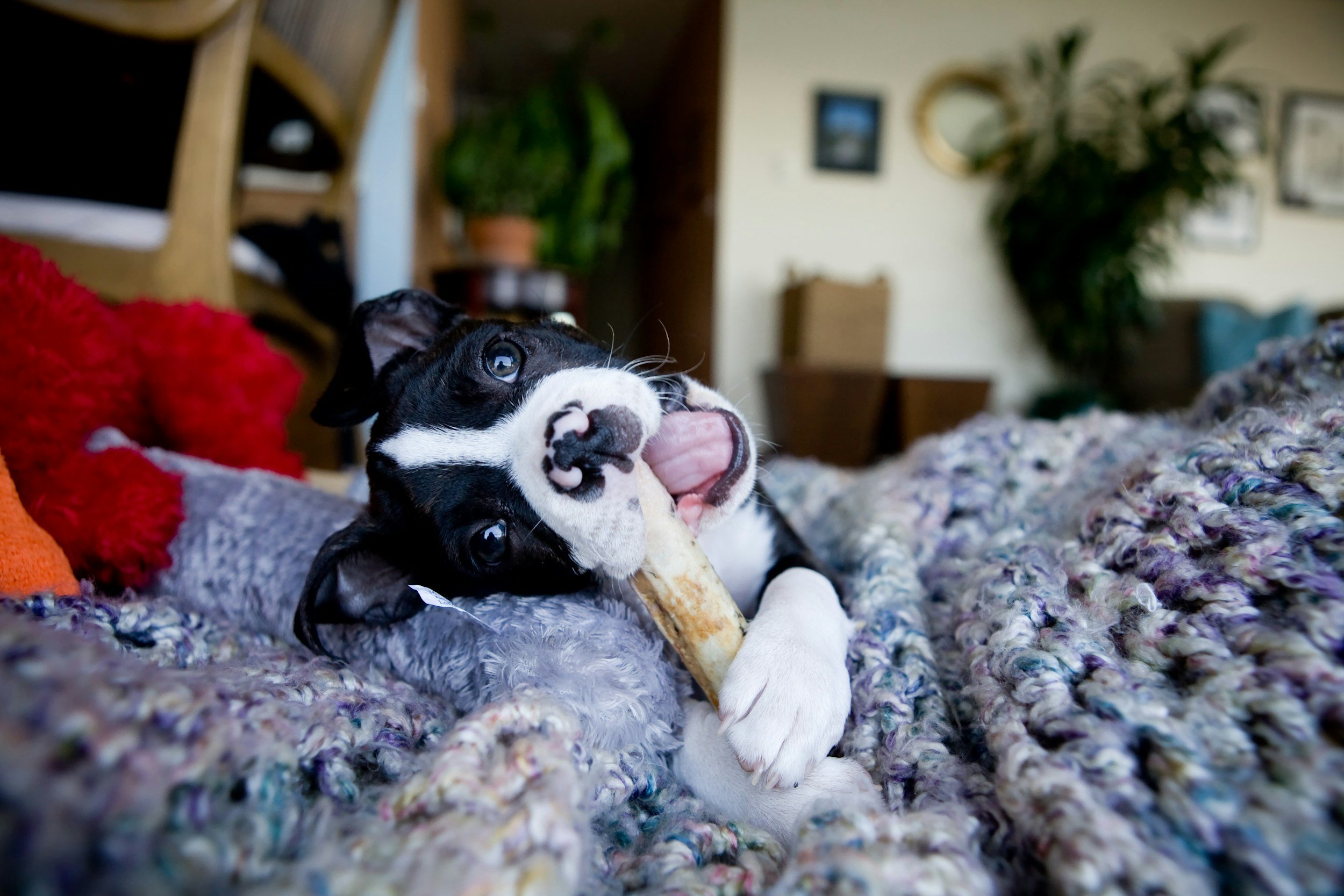
Aggression increases aggression! So if you are physically trying to stop mouthing you actually often increase it! Look at how intense bitey face gets between dogs! Your grabbing at them, swatting at them, yelling at them can look very much like rough play and might actually be increasing the behavior.
So our fixes are looking at prevention (what can you give them to do instead at the times where they get mouthy. For example, if every evening around 7pm they turn into baby sharks, can you give them a chew each evening to help them settle down?
If every time you are getting your shoes on they are so excited for a walk they start biting you, can you give them a lickimat as you put your shoes on?
If on walks when they get excite and mouth you can you help them pick up and carry a stick or a toy you have brought along? Or can you play pattern games past those exciting things?
The answer is not always more exercise, in fact sometimes the issue is actually that they need more rest.
My office days are the days Julia is the least reactive and least wild in the evening, because she gets the most rest on these days like today where she will sleep most of the time I’m working.
Do NOT worry about using so much food!
This is a phase and once your dogs have a habit of being calm instead of mouthing you, you can reduce the food.
You can use the food you feed them! Take a small portion of what you would feed them and use that.
You can use their food for meals and put them in a frozen kong.
Rotate what you use to keep them special and to keep from giving your dog too many rich things, sometimes it’s a frozen kong stuffed with their food, sometimes it’s a chew and mix those up (dental chews, fish skins, bully sticks, collagen sticks and other gross edible dog chews), frozen lickmats, puzzle toys, shred boxes.
When it is possible, remove yourself from the mouthing situations and take space when you feel like it is getting out of hand. Ignoring dogs when they are mouthing is far more impactful than yelling at them and grabbing their noses. And often the harder we try to get them to stop the more we actually reinforce the behavior. So if you have a baby gate you can step over and left them when they start biting you, the faster they will get the message that biting you makes you leave and engaging with you without teeth makes you stay.
However mouthing is so often a bid for your attention, if you always shut them down, do not be surprised when it is hard to call them away from things that are fun. Because we can teach them we don’t like fun by punishing all their bids for attention.
So again unless the answer is they are probably tired and need a break at the end of the day, after a walk, etc. It is good to keep working on their play behaviors so you have ways to actually engage in ways you both enjoy!